Asbestos Abatement FAQ: What Building Owners Should Ask Before Work Begins
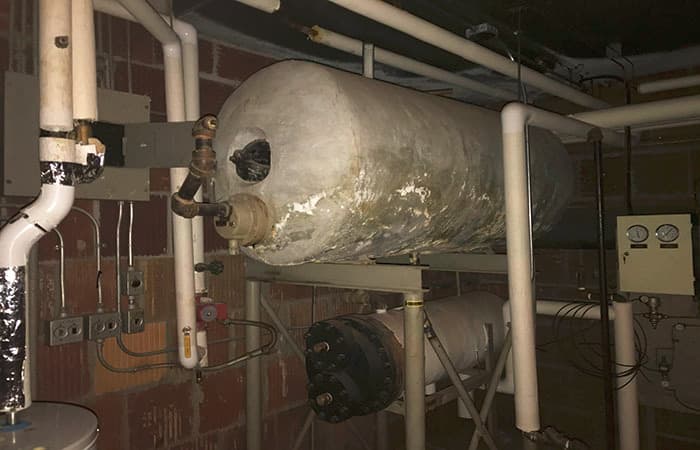
Asbestos refers to a group of six naturally occurring mineral fibers that resist electricity, heat, and corrosion. Asbestos was previously used in products like floor tiles, insulation, brake pads, and building materials. However, asbestos is a carcinogen that can lead to serious health issues such as mesothelioma, lung cancer, and ovarian cancer if it isn’t properly dealt with.
Property owners in New York and Pennsylvania rely on experts at Sun Environmental Corp. to help identify and eliminate asbestos in their spaces. Here, we’ll explore important questions regarding asbestos abatement for building owners, so you know what to ask before the process begins.
Key Takeaways
- Asbestos is a harmful substance that can be found in various materials and surfaces around older homes and businesses.
- Abatement is the process of removing affected items safely, preventing asbestos from entering the air.
- Abatement and other services regarding the removal, containment, and management of asbestos need to be carried out by highly trained professionals.
- The team at Sun Environmental Corp. has years of experience in asbestos abatement and other expert services to help keep people in your facility safe.
How Can You Confirm Whether Asbestos Is Present?
The first step toward treating an asbestos problem is identifying one in the first place. However, this can be difficult for those who don’t know exactly what they’re looking for. Asbestos doesn’t have a distinct odor or appearance and is generally not visible to the naked eye. While it is often found in materials used in older buildings, it may appear in items that seem to be in good condition. That’s why turning to professional services is necessary.
The only true way to confirm if you have asbestos in your space is through asbestos testing. These tests are performed in qualified laboratories, and the samples should only be obtained by professionals who have training and are accredited.
What’s the Difference Between Abatement, Encapsulation, and Management-in-Place?
If asbestos is confirmed, there are several solutions you can choose from to manage it. They include:
Abatement
Abatement is the process of completely removing any materials that contain asbestos from the property. These materials will be properly disposed of, preventing the harmful substance from getting into the air and creating a health hazard. Professionals can perform abatement using several different methods, and the one they choose will depend on your specific situation.
Encapsulation
Encapsulation is an alternative method that focuses on containment rather than removal. Professionals apply a sealant over the affected surfaces. This helps create a barrier to encapsulate the asbestos, preventing it from escaping into the air. Afterward, building owners can go about their lives as usual without worrying about asbestos particles escaping.
Management-in-Place
If the area where the asbestos is located is in good condition and is not a current threat, you may be able to simply have it monitored and managed. This process requires professionals to assess the area and create a detailed plan, helping to ensure the asbestos is undisturbed going forward.
Having a professional come out to examine your building is the best way to get started for those looking to find effective solutions. Some scenarios may require complete removal, while others are best left alone, and only experts will be able to tell the difference.
What Does the Abatement Process Look Like?
Professionals perform the asbestos abatement process when other methods aren’t an option or might cause further problems. Typically, the process includes the following steps:
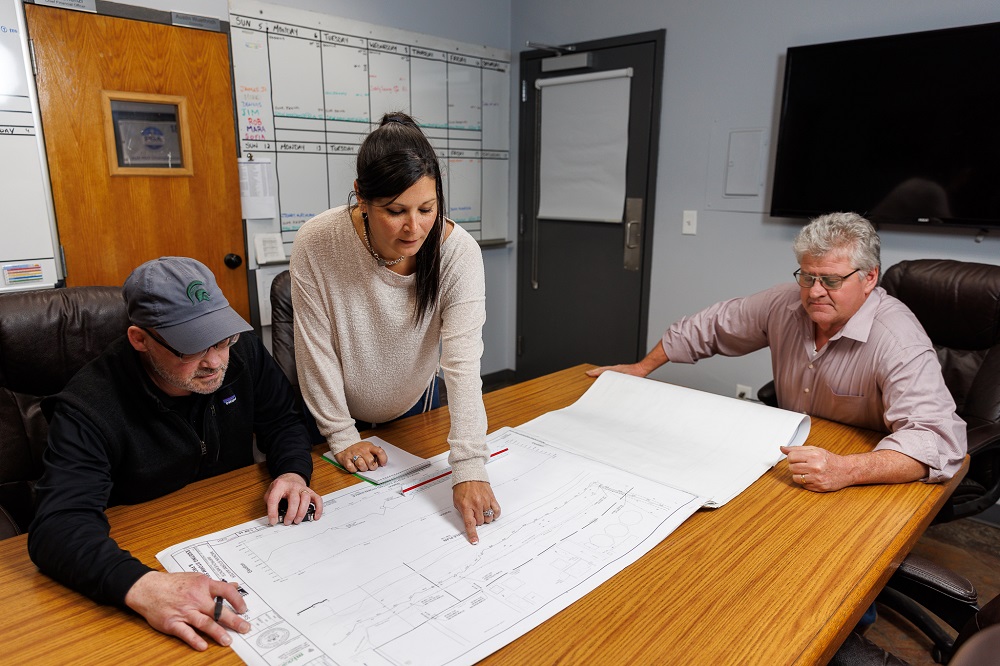
- Professionals enter your space and determine if abatement is necessary and safe to perform.
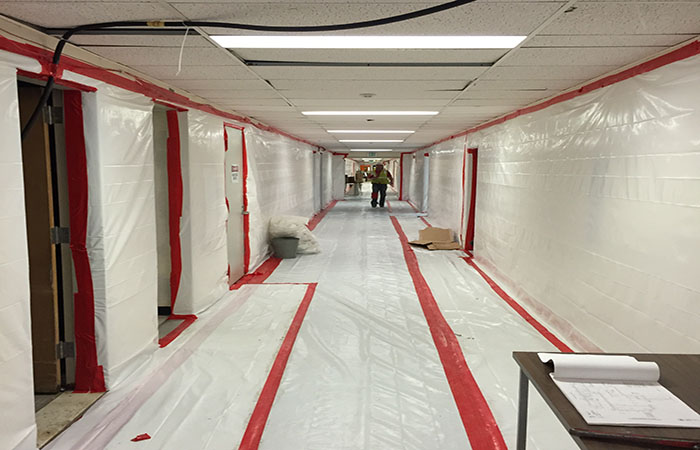
- The area is sealed to prevent any disturbed asbestos from escaping.
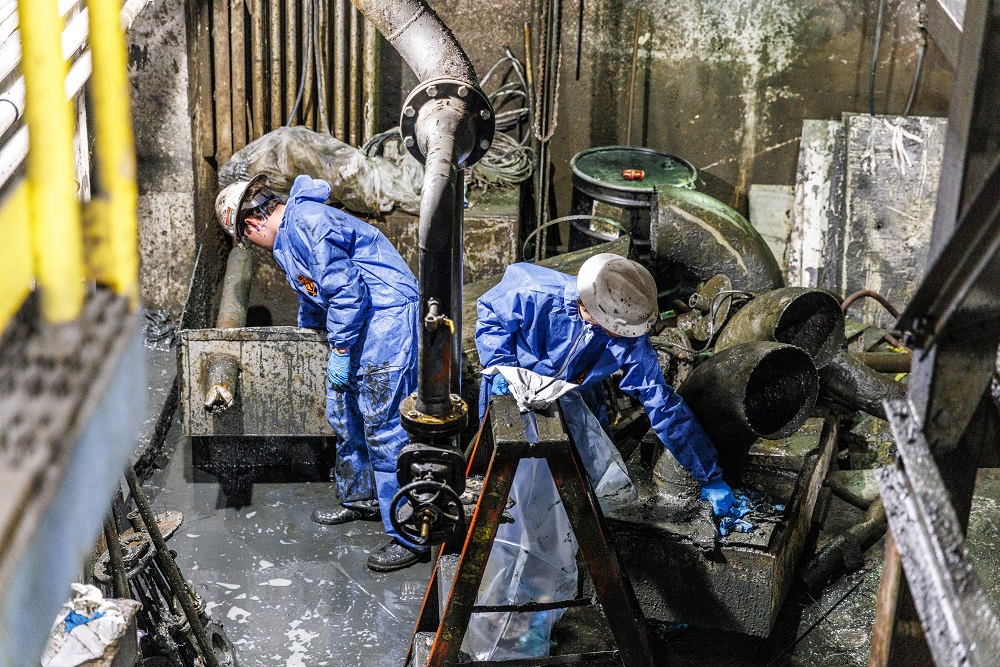
- Professionals put on protective gear and use specific tools to remove any asbestos found.
- Special machinery helps get rid of any remaining asbestos.
- The team performs a full inspection of the area to ensure everything is safe.
- If some asbestos cannot be completely removed, professionals may encapsulate it.
Be sure to ask any additional questions you have about the abatement process before the work begins so you know what to expect.
Find Professional Asbestos Abatement Near You in New York and Pennsylvania
If you’re a building owner who needs reliable and effective solutions for asbestos, turn to the team at Sun Environmental Corp. We offer dedicated services like asbestos abatement, giving our customers peace of mind. Our approach includes a focus on professionalism, safety, and great customer service, which has resulted in long-term relationships with customers in upstate New York and the Greater Philadelphia area. To speak to a member of our team or to learn more about asbestos abatement near you, contact us today.
Frequently Asked Questions About Asbestos Abatement
When is asbestos testing required?
Asbestos testing is legally required before starting any demolition, renovation, remodeling, or repairs that will impact or disturb existing building materials.
When is abatement necessary vs. encapsulation or management-in-place?
Abatement of asbestos is often performed when people may be exposed to it or want to eliminate the threat of future problems. Encapsulation is an option when containment is possible, and, if the affected area is in good condition, it can sometimes simply be monitored and managed.
What should owners ask about licensing when seeking asbestos abatement?
Before having work performed, make sure the professionals are licensed in the removal of asbestos.
Is asbestos abatement covered by insurance?
This will depend on your insurance provider and your specific policy, so you’ll want to reach out to them and ask whether the service is covered. While asbestos abatement often isn’t covered by insurance, it may be covered if the substance was released due to an event that your policy does cover.
What is third-party air monitoring?
Third-party air monitoring is the process of hiring an independent environmental company to sample and analyze the air in your space. This can be smart during abatement, as disturbed asbestos may enter the air. Professionals practice effective containment before beginning abatement, but monitoring may give you peace of mind.
What documents regarding asbestos should be kept for compliance and future renovations?
If you want to ensure safety and compliance in your building, you need to keep proof of the steps you’ve taken toward asbestos management. This may include records of abatement or encapsulation work performed, so you can show it was undertaken by licensed professionals. If these services weren’t performed and a management-in-place approach was taken instead, you may want to have the following documents readily available:
- Reports regarding inspection and assessment
- Your Operation and Management (O&M) program plan
- Dedicated specialty work practices and procedures
- Procedures regarding respirator use
- Reports of fiber release
- Application for maintenance work
- Work approval forms
- Evaluations of work affecting asbestos-containing materials
- Documents for re-inspections and surveillance of asbestos-containing materials
What if I have other potentially hazardous materials in my space?
The experts at Sun Environmental Corp. are trained and licensed to handle asbestos abatement, but we can perform other abatement services as well. Both lead and toxic mold can be found in commercial spaces, and we provide lead abatement and mold remediation services to help prevent these materials from causing you stress or health problems. Call 1-800-80-SPILL to discuss your abatement needs.