Waste Minimization Strategies That Actually Work and How to Measure Them
Commercial and industrial facilities generate large amounts of waste through their daily operations. Waste minimization strategies are often employed to help business owners better utilize their materials and processes to reduce waste and cut avoidable costs. Sun Environmental Corp. provides a range of environmental services, including consulting services and waste recycling and disposal, in New York, Pennsylvania and New Jersey. Here, we will help you better understand these strategies and how you can use them in your favor and track results.
Key Takeaways
- Industrial facilities use a lot of resources and equipment, which can result in unnecessary waste.
- Establishing a baseline, waste mapping, and determining the root cause of the problem are good ways to get started.
- Substituting raw materials, redesigning your operations, and ensuring your equipment is well-maintained can help cut down on waste.
- The experts at Sun Environmental Corp. have the tools, training, and experience to help businesses find ways to minimize waste.
How to Identify Your Biggest Waste Opportunities
When running a facility, there’s a lot to think about, and determining where waste comes from can be overwhelming. Fortunately, there are solutions to limit waste through practices like waste minimization. There are several tips to consider if you’re interested in finding areas where your business can reduce waste. They include:
Waste Mapping
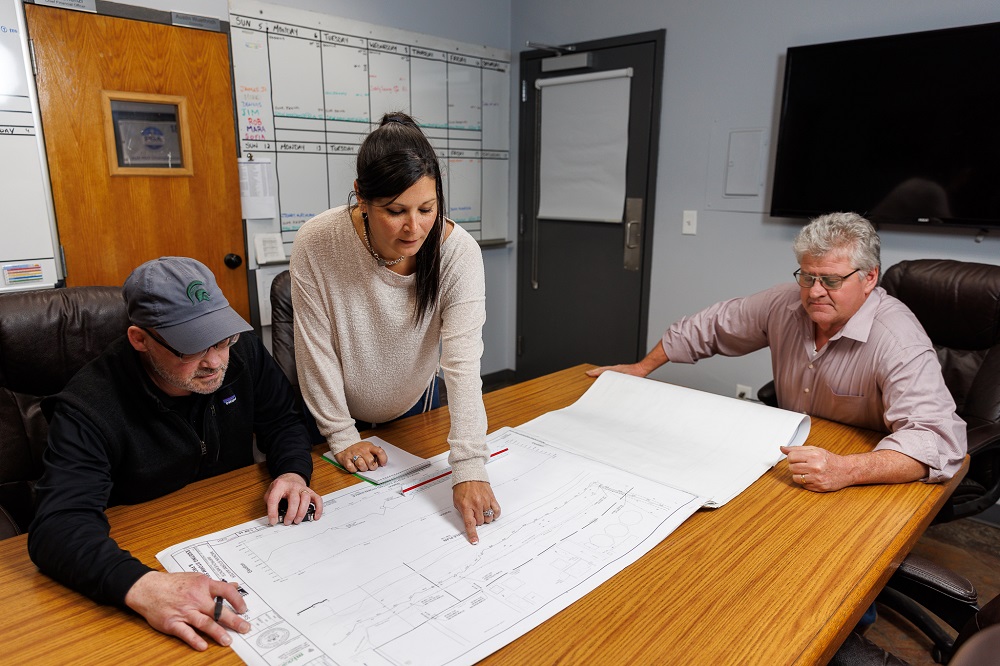
Your facility uses many resources every day, and waste mapping allows you to track where they go. This process involves intricate tracking and analysis of both physical materials and operations within your facility. This visualization makes it easier to determine areas where waste is being generated to help you develop a plan.
Building a Baseline
Another important aspect of minimizing waste is to create a baseline for your company’s waste generation. It is recommended that you look back at least three years to get a comprehensive look at things like your production data, maintenance logs, consumption records, and other important factors. This will help you notice any trends or changes over time.
Finding the Root Causes
Identifying where excess waste is generated on the surface level is helpful, but it doesn’t address the root causes. You can rely on different methods to accomplish this, including creating cause-and-effect diagrams, reviewing critical parameters, and analyzing process variability. You can also work with an experienced company like Sun Environmental Corp., which provides consulting services for industrial and commercial companies.
What Are Some Waste Minimization Strategies That Work?
Once you’ve determined the cause of the excess waste, you’ll need to find a suitable solution. This is where facilities develop their strategies for waste minimization. Waste minimization options include:
Source Reduction
If you are generating excess waste, there are likely processes that can be altered or parameters that can be adjusted to reduce it. You may be able to substitute materials or redesign your operations to help offset the waste currently being generated. Not only will this have long-term benefits, but you may even see immediate returns in spending and waste generation.
Segregation of Materials
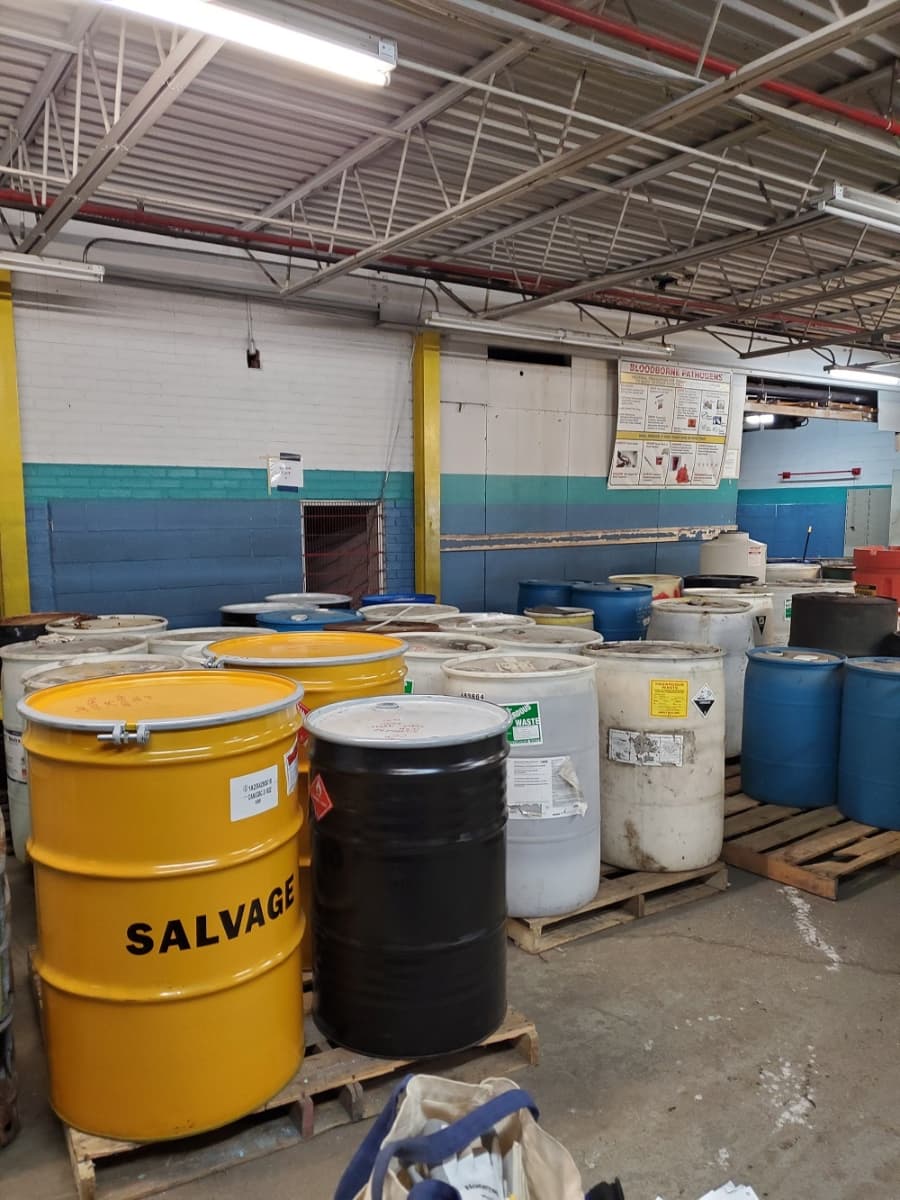
One area that can lead to waste generation is combining materials that should be kept apart. This is particularly impactful in facilities that use both hazardous and non-hazardous materials. Segregating these materials allows more of the waste generated to be recovered and recycled.
Preventive Maintenance
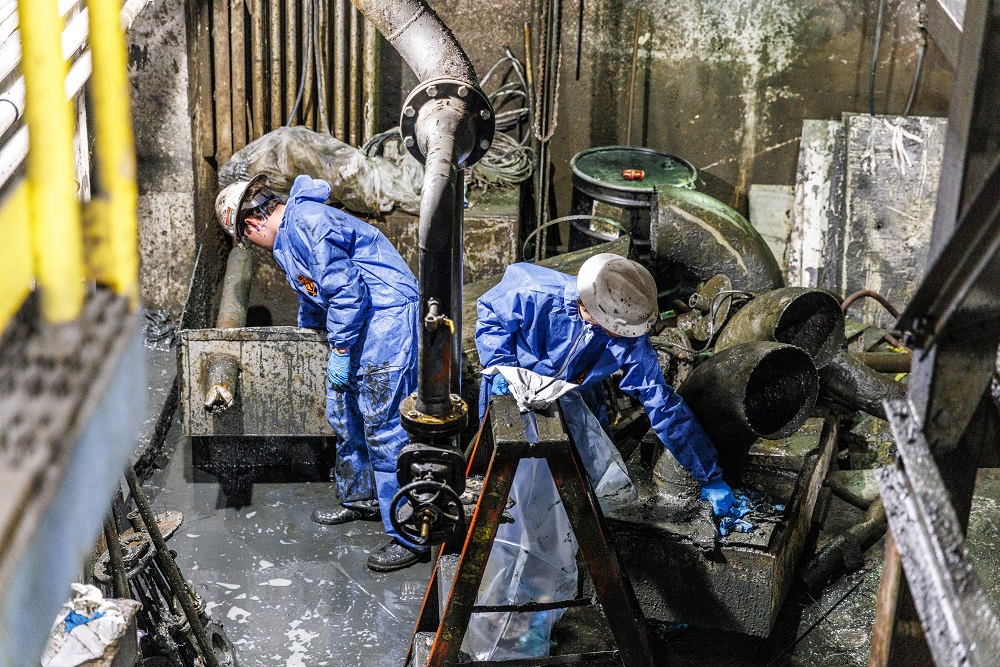
Facilities rely on complex equipment to handle daily operations. Keeping this equipment and its components working properly can help avoid leaks and spills, which result in unnecessary loss of resources. You may not notice small leaks, but for items used consistently throughout the day and night, the losses will add up.
Reduction Technologies
Modern technology allows businesses easy opportunities to reduce excess waste. Methods like filtration, ultrafiltration, centrifugation, distillation, and evaporation can all be used to concentrate waste or recover products. While implementing these strategies can come with an upfront cost, you’ll end up saving in the long run and reducing your waste generation.
Training and Accountability
Workers on the floor can often impact waste as much as resources and equipment. That’s why proper training is paramount for managers hoping to make a positive impact. When those on the floor know how to handle materials, which materials to segregate, and how to recognize when machinery needs maintenance, they can do their part in reducing unnecessary waste.
How Can You Measure Results Without Overcomplicating?
Because facilities, especially larger ones, involve a lot of moving parts, it can seem difficult to measure how effective your strategies are. Some simple ways that you can go about this include:
- Determining the pounds of waste per unit produced
- Examining pounds of waste per shift
- Measuring disposal costs per month or per quarter
- Determining contamination rates in your recycling streams
- Recording and reviewing spill incidents and cleanup costs
Tracking key performance indicators (KPIs) is another way to measure your new system’s success. Some important KPIs to track include fuel consumption, maintenance costs, violations/spills, emissions, and recycling rates. The important thing to remember is that you are creating a long-term plan. While you may see quick wins after only a month, the intent should be to have the plan in place within 90 days.
Find Expert Waste Management Consulting Near You in New York, Pennsylvania and New Jersey
Facilities looking to improve their processes and bottom lines can benefit from waste minimization strategies. At Sun Environmental Corp., we have a team of highly trained professionals ready to help those in upstate New York and the Greater Philadelphia area.
Through a combination of excellent customer service and a commitment to professionalism and safety, we have developed long-term relationships with our customers. To learn more about our services or to speak to a member of our team, contact us today.
Frequently Asked Questions About Waste Minimization
Which waste minimization strategies have the biggest impact on industrial facilities?
Helpful waste minimization strategies that industrial facilities often benefit from include altering processes, redesigning operations, choosing different raw materials, and keeping up with preventative industrial maintenance.
How do you establish a baseline and identify the highest-cost/highest-risk waste streams?
Establishing a baseline involves looking back at data from at least the past three years. Doing so makes it easy to recognize changes and allows you to see which areas need improvement.
How do training and floor-level accountability influence waste reduction results?
Making sure your team is on the same page is great for daily operations, and the same is true when it comes to minimizing waste. Proper training and accountability on the floor can help prevent unnecessary waste generation at the surface.
What common pitfalls cause waste minimization programs to stall?
Reducing your facility’s waste generation is possible, but it takes real effort. Many businesses fail to adequately assess their operations or don’t take the time to create strong, sustainable strategies. They may also look to save money by using equipment or resources that aren’t effective at waste reduction or fail to train floor-level employees in the methods that need to be taken to meet their goals.