Waste-to-Energy: What It Is, What It Isn’t, and When It Makes Sense
Waste-to-energy (WTE) has become an increasingly common option for managing certain industrial and commercial waste streams. Instead of sending every load to a landfill, some materials can be processed to recover energy while reducing the amount of waste that requires disposal. However, WTE isn’t the right solution for every waste stream.
At Sun Environmental Corp., we help commercial and industrial facilities throughout Upstate NY and the Greater Philadelphia area understand their waste management options. Here, we explain what waste-to-energy is, how it compares to other disposal methods, and when it may or may not make sense for your facility.
Key Takeaways
- Waste-to-energy is the process of converting non-recyclable waste into usable heat, electricity, or fuel.
- Fuel blending and other processing methods may be used to prepare qualifying waste for energy recovery.
- Choosing the right disposal method involves assessing costs, compliance, transportation, sustainability goals, and facility requirements.
- Sun Environmental Corp. helps commercial and industrial facilities evaluate waste streams and identify safe, compliant disposal solutions.
What Is Waste-to-Energy?
Waste-to-energy is a waste management process that recovers usable energy from materials that would otherwise be disposed of. Depending on the waste stream and the receiving facility, that may involve converting waste into fuel for industrial processes or recovering energy through approved thermal treatment technologies. Instead of sending waste to a landfill where it sits in the ground, WTE puts the waste’s energy to work.
WTE isn’t the same as recycling. Recycling recovers the material itself for reuse in new products. WTE recovers the energy stored in a material, but the material is consumed in the process. It’s also different from landfill disposal. Landfilling stores waste, often for many decades. WTE processes it, reducing the volume of waste put in landfills and producing usable energy in return. If your waste streams aren’t recyclable and have enough energy content, WTE can be a more responsible and cost-effective option than landfilling.
Fuel blending is one of the most common forms of WTE used in industrial waste management. This involves mixing waste-derived fuels, such as off-specification solvents or other high BTU liquids, with conventional fuels for use in industrial processes like cement kilns or industrial boilers.
Other WTE technologies include:
- Direct combustion in permitted incinerators
- Gasification, which converts organic waste into a combustible gas
- Pyrolysis, which uses heat in the absence of oxygen to break down materials into oil, gas, and char
While each technology is used on different types of waste, they all convert waste into energy rather than disposing of it.
Is Waste-to-Energy Right for Your Waste Stream?
While waste-to-energy can be an effective solution, it isn’t the right fit for every waste stream. Several factors determine whether a waste stream is a good candidate for WTE:
- Material type: Organic materials, solvents, and certain industrial waste streams work well for WTE, while inorganic materials and those with significant metal content don’t.
- BTU value: WTE works best when the material has enough energy content to make the process worthwhile. Materials with low BTU values may not be suitable for most WTE technologies or not worth the cost.
- Moisture content: High moisture reduces BTU value and can make waste a poor candidate for energy recovery. In some cases, pre-treatment is required before a WTE facility will accept waste.
- Contamination: Contaminants like heavy metals and chlorinated compounds can create air emissions issues and may limit which facilities accept the materials.
- Hazardous vs non-hazardous classification: Hazardous waste going to WTE must be processed at a licensed treatment, storage, and disposal facility with the appropriate permits.
Of course, not every waste stream belongs in a waste-to-energy program. Highly reactive materials, certain hazardous wastes, and other regulated substances may require specialized treatment or disposal instead. If you force unsuitable material into a WTE program, you’ll create compliance issues and increase overall costs.
If you’re curious whether your facility’s waste stream could be used for energy, reach out to Sun Environmental Corp. Our consultants can help you characterize your waste and determine which disposal options are available to you.
Beyond the Waste: Cost, Compliance, and Environmental Considerations
If a waste stream appears to be a good candidate for waste-to-energy, there’s still more to evaluate before deciding. Looking beyond disposal costs can help you choose the most practical and compliant solution for your facility.
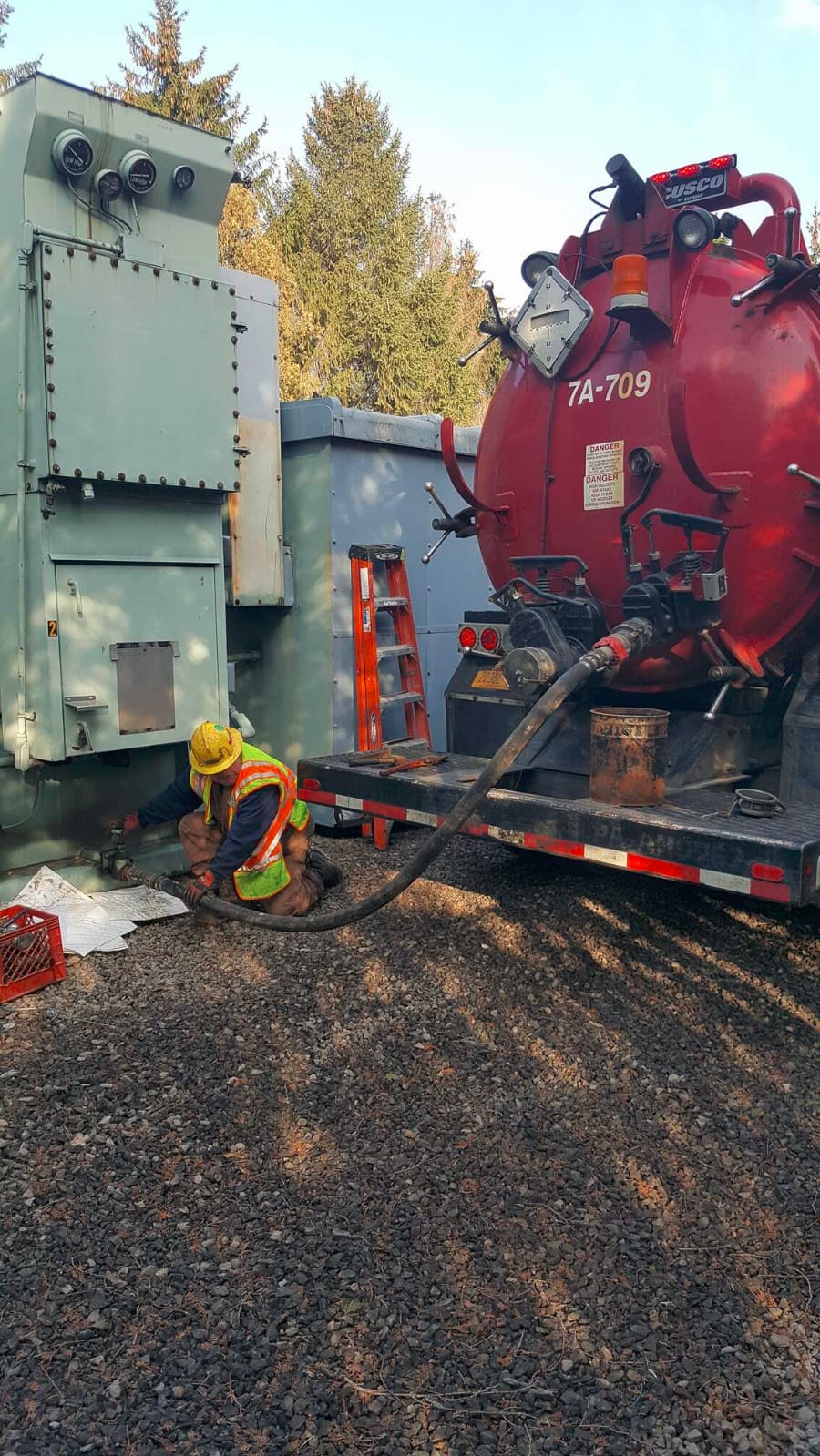
Transportation is one factor to consider. Depending on the location of the receiving facility, hauling costs may offset the savings of energy recovery. Some waste streams may also require additional processing, such as fuel blending or packaging, before they’re accepted. Sun Environmental Corp. provides transportation services for both hazardous and non-hazardous waste and can help you understand the full cost before you commit.
You also need to consider documentation. You need to have waste profiling, manifest preparation, land disposal restriction (LDR) notifications, and facility approvals in order before you can move a shipment. Any missing or incorrect paperwork can cause your loads to be rejected, which means the waste comes back to you, requiring you to start over. At Sun Environmental Corp., we handle this documentation as part of our transportation and disposal services, so your shipments arrive at the receiving facility with everything they need.
Finally, don’t overlook where the waste is going. A reputable waste management partner should be able to explain how the material will be managed, identify the receiving facility, and provide documentation confirming the disposal of the waste. If sustainability is one of your organization’s goals, this level of transparency can also support internal reporting and demonstrate that your waste is being managed responsibly.
Work with Sun Environmental Corp.
Every waste stream is different. That’s why the first step isn’t choosing a disposal method — it’s understanding your options.
Sun Environmental Corp. provides waste characterization, profiling, transportation, and disposal services for businesses throughout Upstate New York and the Greater Philadelphia area. When it comes to waste-to-energy, our team can evaluate whether your waste streams are good candidates, identify appropriate receiving facilities, handle all required documentation, and manage transportation from your facility to the disposal facility.
We also provide consulting support for businesses that want to understand their regulatory obligations before they move forward with any disposal method. Whether WTE turns out to be the right option or something else makes sense for your operation, we can help you figure that out. As a trusted partner, with us it’s not just business, it’s personal.
Find Waste Disposal Services Near You
If you generate industrial or hazardous waste and want to understand your waste-to-energy and other disposal options, Sun Environmental Corp. is here to help. We serve clients from offices in Syracuse, Rochester, Buffalo, and Albany, New York, and throughout the Greater Philadelphia region, including parts of New Jersey. Contact us today to speak with a member of our team or to learn more about our waste recycling and disposal services.
Frequently Asked Questions About Waste-to-Energy
Is waste-to-energy the same as recycling?
No, recycling recovers materials so they can be used to make new products, while WTE recovers energy from certain waste streams that can’t be recycled. In most cases, recycling is the preferred option, with WTE considered as an alternative.
What types of waste can be used for WTE?
It depends on the material and the receiving facility’s acceptance criteria. Some non-recyclable industrial byproducts and combustible waste streams may qualify, while hazardous or reactive material often needs to be disposed of or treated first.
Is waste-to-energy better than landfill disposal?
Not always. Waste-to-energy may reduce the amount of waste sent to landfills while recovering usable energy, but it’s not the right solution for every waste stream. Factors like waste composition, transportation, cost, and regulatory requirements all need to be considered.
How do I know if my waste is a good candidate for WTE?
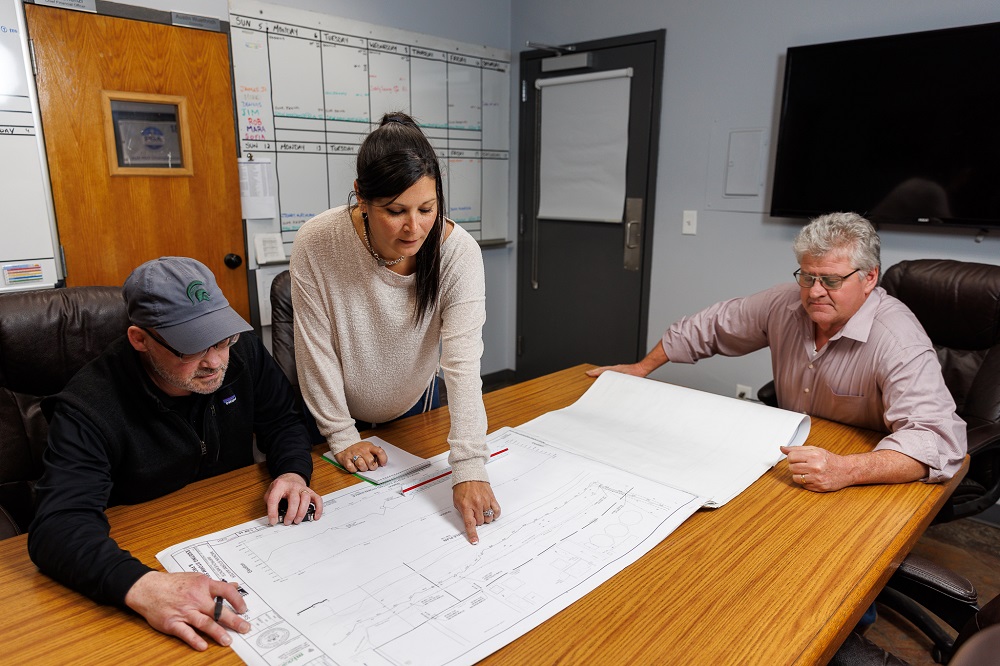
The best place to start is with a professional waste evaluation. An experienced environmental services provider like Sun Environmental Corp. can characterize your waste, review regulations, and determine which disposal method is the best solution for your facility.