Soil Contamination 101: Top Causes, Testing Basics, and Disposal Options
If your commercial property works with fuel, solvents, pesticides, or pigments, then soil contamination is a concern. Even small spills can eventually add up to a serious environmental and health hazard if not controlled. Sun Environmental Corp. discusses how soil contamination testing works and outlines your cleanup options to help commercial property owners make informed decisions about remediation.
Key Takeaways
- Common sources of soil contamination include leaking tanks, chemical spills, improper disposal, stormwater runoff, and previous operations at a redeveloped site.
- Phase I assessments focus on determining the likelihood of contamination. Phase II assessments involve soil tests to confirm the types of contaminants present.
- Cleanup options include excavation and off-site disposal, on-site treatment, and capping. The best solution depends on site condition, access, weather, and more.
- Sun Environmental Corp. provides environmental consulting and remediation services to help business owners avoid legal action while protecting the environment.
Common Causes of Soil Contamination at Commercial Sites
Soil contamination is most commonly caused by manufacturing, fuel storage, and chemical processing. If unmanaged, even tiny leaks from routine operations can accumulate over time to reach harmful concentrations. Contaminated soil puts the environment and your personnel at risk. Here are some common sources to watch out for:
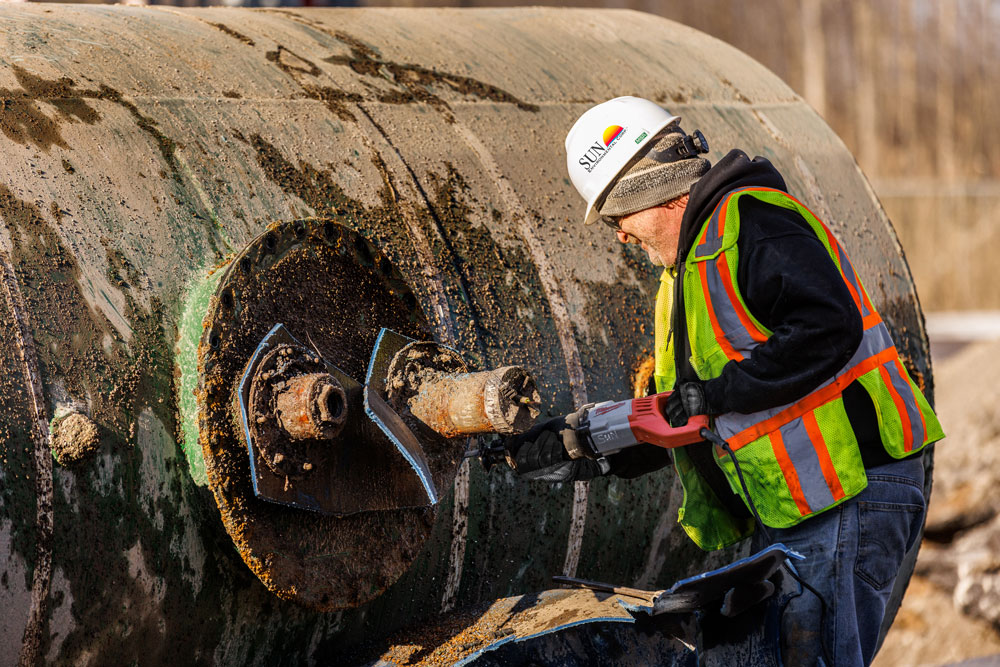
- Leaking tanks: Poorly maintained underground storage tanks (USTs) and piping may leak petroleum directly into the surrounding soil.
- Chemical spills: Equipment failure and incorrect chemical storage or handling may cause small leaks or spills into the environment.
- Improper disposal: Heavy metals and other toxins may be introduced into the soil through careless dumping of solvents, paints, batteries, or cleaning agents.
- Stormwater runoff: Stormwater flow patterns and drainage may carry contamination from parking lots onto otherwise uncontaminated ground.
- Historical operations: If your commercial property was redeveloped, then there may be contamination left from previous operations.
Identifying the cause of the contamination is an important step for remediation. Before soil can be decontaminated, the contaminated soil remediation team must identify and eliminate the source to prevent further pollutants from entering the decontaminated ground.
Testing Basics: How Soil Is Evaluated
Environmental assessments are conducted in two phases. In Phase I, investigators aim to learn more about the location’s current state. They read current and historical records, look at aerial photographs, and conduct foot inspections of the property to determine whether soil contamination is probable. Investigators also assess possible future impacts so that owners can take preventive measures.
No excavation or soil testing occurs until Phase II. This phase begins when results from Phase I indicate a potential contamination risk. Soil samples are collected and transported to a laboratory for testing. The data from these tests are used to determine the types, mobility, and concentration of chemicals present.
How Are Samples Taken?
Where soil samples are taken depends on a few factors. These include the source of contamination, the types of chemicals being tested for, and the current land use. Some sites require only surface-level testing. Others may require deeper excavation:
- 0-6 inches: Shallow samples are taken when checking for contamination from surface spills and atmospheric deposits such as soot or ash.
- 6-12 inches: This middle depth is the standard range for tracking heavy metals, which sink deeper into the soil. It may also be used for agricultural zones where soil is tilled.
- 12-24 inches: Deep samples are taken to test for leaks from USTs, pipes, or buried waste. Deep sampling is also recommended around deep-rooted plants.
Lab Parameters and Detection Limits
Laboratory tests measure the concentration of specific chemical, physical, and biological indicators to determine whether toxic pollutants are present. Labs test for specific contaminants, such as heavy metals, petroleum hydrocarbons, pesticides, and volatile organic compounds (VOCs). Which tests are requested depends on what types of contaminants are likely based on Phase I results.
Options for Cleanup and Disposal
Once contaminants are found, the project moves to cleanup. Sun Environmental Corp. performs a thorough site assessment before choosing a contaminated soil remediation method. We also discuss potential solutions with you to ensure that our cleanup aligns with your goals for the property.
Excavation and Off-Site Disposal
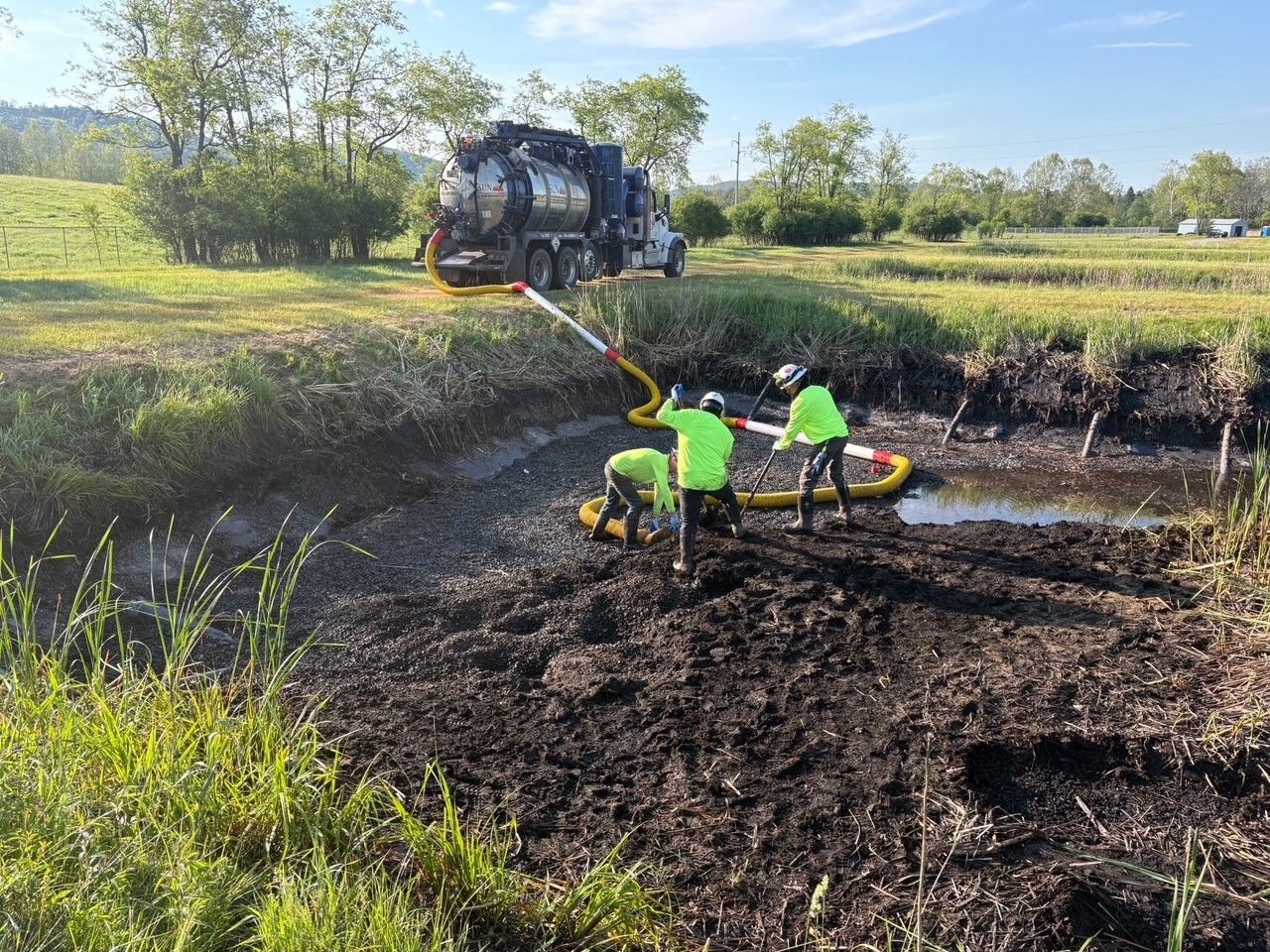
The first solution for soil remediation is excavation. The soil is removed and transported to another location off-site. Depending on the types of contaminants present, it might be landfilled. It may also be treated with heat or bioremediation to eliminate the contaminants and make the soil safe for use elsewhere. Finally, toxic soil may be incinerated as part of a waste-to-energy solution.
On-Site Treatment
On-site soil treatment involves cleaning the polluted earth where it is found, rather than transporting it. A few different treatment methods exist for different contaminants:
- Bioremediation: This breaks down organic wastes using natural bacteria or plants.
- Chemical oxidation: This injects liquids that react with poisons, changing them into safe elements.
- Vapor extraction: Air is vacuumed through the earth to remove gases and chemical vapors.
- Stabilization: Mixing binders into the soil traps heavy metals and keeps them from spreading.
Capping
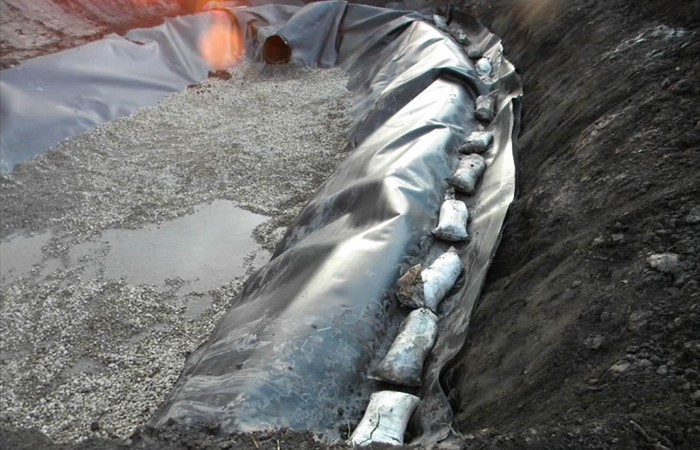
The final solution is capping. This method involves creating a physical barrier over the contaminated soil. Dense clay, asphalt, concrete, or synthetic membranes are laid over the soil to prevent water and gas movement, keeping the contaminants from spreading to untouched areas. Surface water is directed away with a gravel layer. Finally, clean topsoil and plants are added to protect against erosion.
Confirmation and Closure Documentation
Finally, the remediation team performs a second round of soil and groundwater tests. These tests are to confirm that the contamination is fully contained and will not spread to unaffected areas. Once the site is confirmed to meet applicable cleanup requirements, we’ll give you thorough closure documentation. The document package includes site assessment reports, remedial action reports, confirmation sample results, and professional certification to verify that the project is complete.
Learn More about Soil Contamination Testing
Is your commercial property standing on contaminated soil? Get soil contamination testing and remediation from Sun Environmental Corp. Located in Syracuse, Rochester, Albany, Buffalo, and Philadelphia, we serve Upstate NY and the Greater Philadelphia Area with professional environmental services and consulting. Contact us today to schedule a consultation with a local firm you can trust. With us it’s not just business, it’s personal.
FAQs About Soil Contamination Testing
What are the most common sources of soil contamination at industrial/commercial sites?
The most common sources of soil contamination are waste dumping, leaking underground storage tanks (USTs) and pipes, accidental spills during routine operations, and surface runoff from parking lots. Redeveloped land may also have contamination from previous industrial operations.
How do Phase I and Phase II investigations differ, and when is each needed?
A Phase I Environmental Site Assessment identifies potential contamination risks. It involves checking old records, looking at aerial photos, and inspecting the site to find out whether there is any risk of contaminated soil. Phase II begins if the investigators determine that the land is likely contaminated. It involves excavation and drilling to collect soil and groundwater samples, which are sent to a laboratory to determine what chemical types are present.
How are soil sampling locations and depths selected?
Sampling locations and depths are selected based on the cause of the contamination and the type of plant life present. The top zero to six inches are tested for surface concerns, while deeper soil is tested for leaching assessments or agricultural land where the soil will be tilled. Testing may go up to 24 inches or more for leaking USTs and locations with deep-rooted trees.
What disposal and remediation options exist for impacted soil and debris?
Sun Environmental Corp. provides professional hazardous waste removal for contaminated soil. The soil can be transported to a landfill, treated with heat or bioremediation, washed with chemical binders, or incinerated, depending on what types of contamination are present.