Sludge Removal for Industrial Sites: What to Expect (Process, Safety, Downtime)
Industrial sludge is an unavoidable byproduct wherever wastewater is treated. This odorous, often toxic substance builds up in your equipment, causing slowdowns, wear and tear, and breakdowns that are costly to repair. Sun Environmental Corp. provides industrial maintenance services, including sludge removal, to safely restore your equipment to full capacity. With convenient locations near you in Syracuse, Rochester, Albany, Buffalo, and Philadelphia, we are proud to serve many areas across Upstate New York including Central, Western, North Country, the Southern Tier and Capital Region, and in Pennsylvania we cover the greater Philadelphia region, including parts of New Jersey.
Here, we discuss our process, safety controls, and how we manage downtime to reduce disruptions to your operations.
Key Takeaways
- Before scheduling industrial sludge removal, ask questions about safety protocols, downtime reduction, and overall project costs.
- Sun Environmental Corp. reduces downtime and costs with thorough planning and efficient removal methods such as vacuum trucks and hydroblasting.
- Detailed documentation of sludge characterization, removal methods, and chain of custody protects you against compliance concerns.
What Is Industrial Sludge?
Industrial sludge is a widespread byproduct of factories, chemical plants, refineries, and other facilities. It is the semi-solid waste that is generated during wastewater treatment. During the treatment process, the impurities in wastewater are concentrated into a smaller volume. The clean water is safely released into the environment, and the concentrated impurities are left behind as sludge.
This sludge residue presents a challenge to manufacturers and wastewater treatment plants. As it accumulates, it causes all kinds of problems:
- Efficiency: Sludge that builds up in your separators, pits, and tanks will eventually reduce their capacity and create blockages, impeding your wastewater processing.
- Longevity: Blockages create friction, pressure, and other stresses that accelerate wear and tear or cause breakdowns that require costly repairs.
- Health: Depending on your facility’s operations, industrial sludge may contain heavy metals, toxic chemicals, and other hazards to the health of your personnel.
- Compliance: Government agencies enforce strict waste disposal protocols. Excessive sludge buildup may lead to fines and corrective actions.
- Environment: As industrial sludge accumulates, it becomes increasingly likely to leach or spill into the environment, where it may cause significant damage.
When you experience capacity reductions, your wastewater treatment area has a persistent foul odor, or sludge quantities approach regulatory thresholds, it’s time to plan for removal. Professional sludge removal is essential to ensure that substances are removed safely.
Planning a Sludge Removal Project
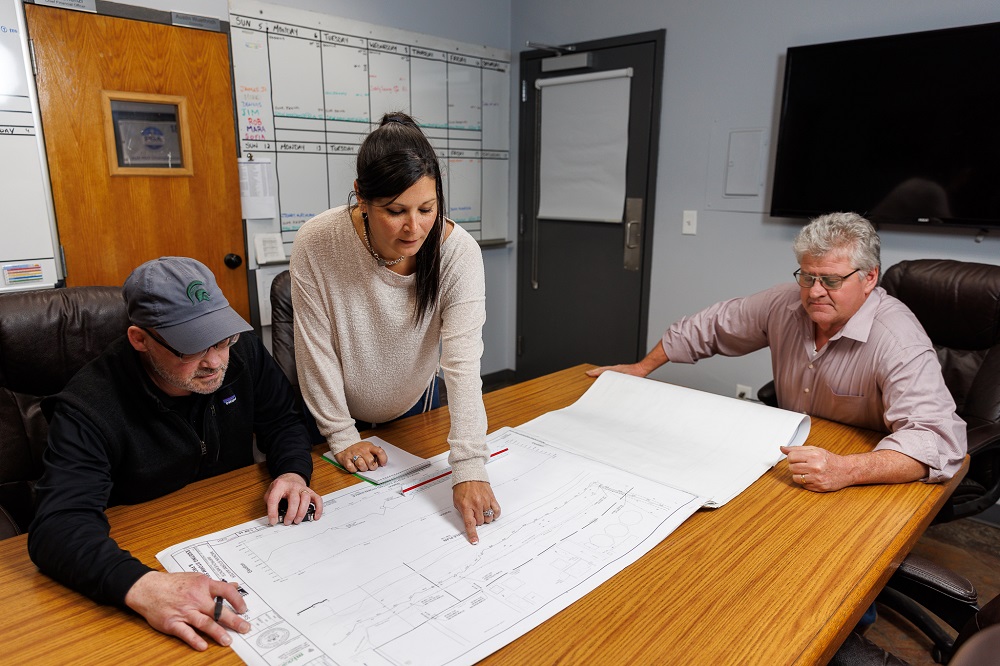
The first step of any sludge removal project is planning. Each facility’s needs are different, requiring a unique approach. Thorough planning ensures a safe and efficient removal with minimal disruptions and less risk to personnel and the environment. Factors to cover in our plan include:
- Waste characterization: We create a complete profile of your waste, including its physical properties, quantity, contents, and hazards.
- Access: We determine the best points of access to remove sludge efficiently from pits, separators, underground tanks, and more.
- Downtime coordination: We discuss your facility’s operational requirements to coordinate downtime for when it is least disruptive.
- Permits: We secure permits from local, state, and federal authorities for legal sludge removal, handling, transportation, and disposal.
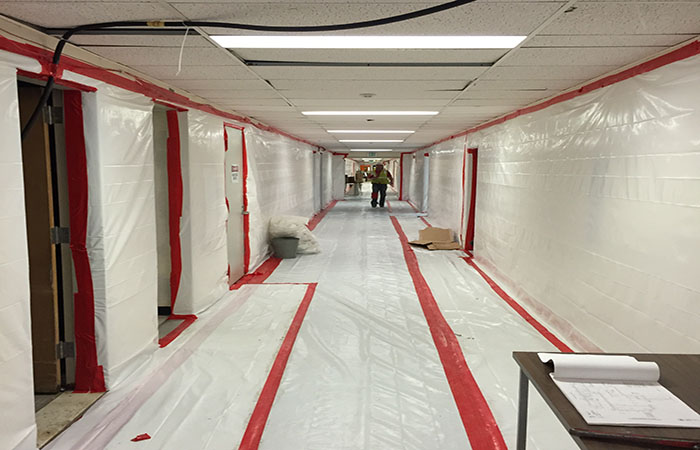
- Isolation and lockout: We establish protocols to isolate your facilities and equipment while we are at work, keeping your employees safe.
At each stage, we work with you to understand your sludge characterization, facility needs, and other concerns that may impact our process. The more detailed our removal plan is, the more effectively and efficiently we can remove sludge from your equipment.
How Sludge Removal Is Performed
Once we have devised a satisfactory removal plan, we can begin the process itself. There are many methods for sludge removal depending on the contents of your sludge, the types of equipment we are working with, and the access points available to us. Removal methods we may apply at your facility include:
Vacuum Extraction
For many types of sludge, vacuum is the most efficient method for extraction. Our vacuum trucks are equipped with powerful pumps to collect sludge into a containment tank for secure storage and transportation. They remove waste quickly and safely to minimize downtime and hazards.
Hydroblasting (Water Blasting)
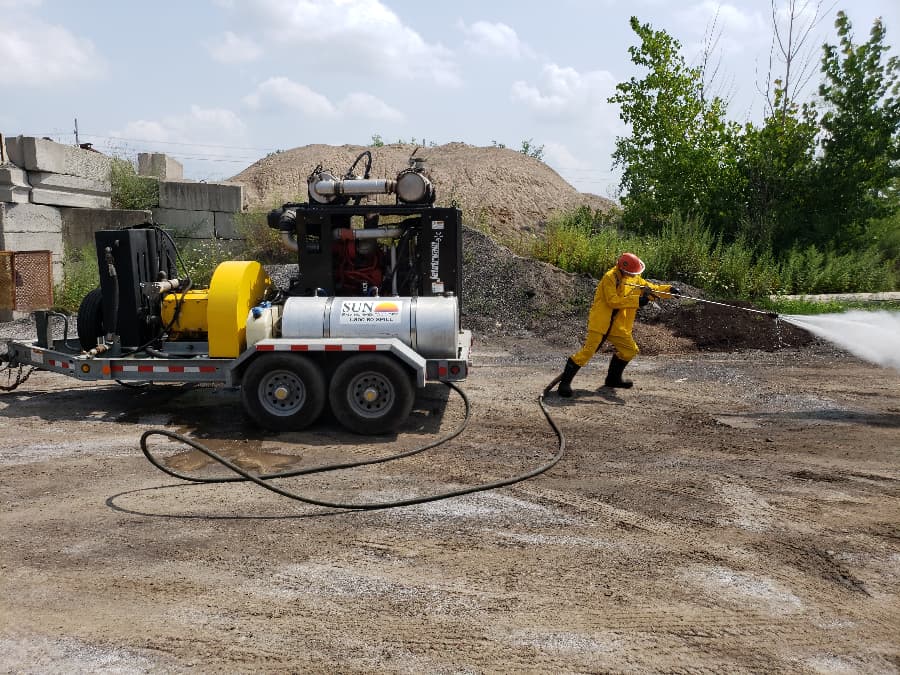
Hydroblasting uses high-pressure water streams to liquefy stubborn deposits. At 2,500 to over 4,000 PSI, water jets can scour the entire inner diameter of a pipe and blast through thick or solidified sludge. The liquefied sludge can then be pumped into a vacuum truck for secure disposal. Our 20,000 PSI water blaster is also available for larger jobs.
Agitation
In water-filled tanks and pits, we use agitation to prevent sludge from settling. By keeping the water in motion, we lift deposits and prevent solids from settling out of suspension. Like jetting, this process keeps sludge in a liquid state so that it can be vacuumed.
Manual Removal
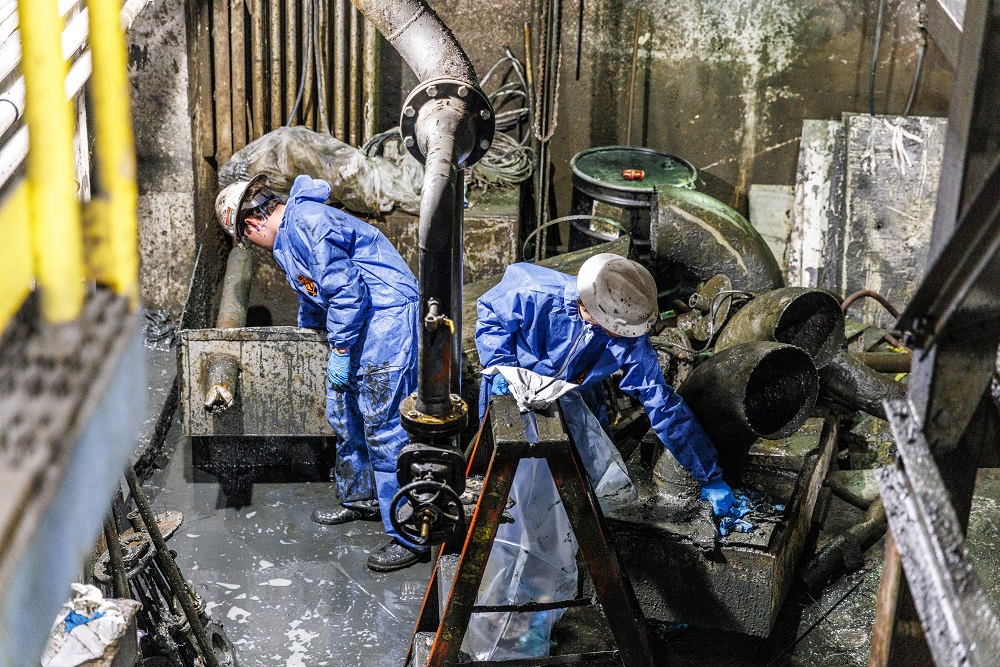
The final option for sludge removal is manual. Our team uses rakes, shovels, and other tools to manually scrape and remove sludge from the inside of your equipment. This approach is used for very stubborn deposits or may be the final step to clean your equipment after jetting and vacuuming.
Sludge Disposal Pathways
The last phase of sludge removal is disposal. Our fleet transports the sludge to a facility for dewatering, where the sludge is filtered, pressed, or centrifuged to remove as much liquid as possible. Dewatering reduces waste volume and converts the sludge into a drier, cakey material that can be processed more efficiently.
Depending on the dewatered sludge’s chemical and pathogen profile, it may then be disposed of in one of several ways. Treated sludge may be applied to farmland as fertilizer or deposited in a secured landfill. Depending on the sludge characteristics and applicable regulations, treatment and disposal options may also include dewatering, stabilization, or other approved treatment methods. Additionally, we work with incinerator companies that produce sustainable energy in a waste-to-energy program that transforms industrial waste into valuable resources.
Safety and Compliance Controls
Throughout the sludge removal and disposal process, Sun Environmental Corp. protects you with stringent safety and compliance protocols. You can expect to see the following measures applied at relevant phases of your project:
- Appropriate personal protective equipment (PPE)
- Careful air monitoring throughout the work zone
- Detailed protocols for working within confined spaces
- Thorough documentation to track the chain of custody
Our team has decades of experience in the environmental industry. When you choose Sun Environmental Corp., you know that your sludge removal project is in knowledgeable hands.
Find Industrial Sludge Removal Services Near You in NY, NJ & Philly
Periodic industrial sludge removal is essential to maintain safe and efficient operations. Sun Environmental Corp. offers removal services from locations near you in Syracuse, Rochester, Albany, Buffalo, and Philadelphia, serving Upstate NY and the Greater Philadelphia area. Contact us today to learn more about our process, safety controls, and more. Call 1-800-80-SPILL to start a project. With us it’s not just business, it’s personal.
Frequently Asked Questions About Industrial Sludge Removal
Where does industrial sludge accumulate, and what problems does it cause?
Industrial sludge accumulates in wastewater treatment equipment, including separators, pits, pipes, and storage tanks. It reduces your capacity, slows down your operations, and causes wear and tear that may lead to breakdowns and expensive repairs.
What safety controls are needed, especially when confined space hazards are present?
Personal protective equipment (PPE), zone isolation, and air monitoring are needed to keep personnel safe while working in confined spaces with potentially toxic sludge.
How can facilities plan sludge removal to minimize downtime and prevent emergencies?
Planning for sludge removal ahead of time gives you the opportunity to control the process for reduced downtime. If you wait until accumulation becomes critical, then you put yourself at risk of shutdowns and emergency services when your need for capacity is at its highest.