Seasonal Spill Risks during Northeast Winters: Weather, Equipment Failures, and Prevention
Winter is the most prevalent season for hazardous material spills. With temperature-related equipment failures, frozen roads, and the risk of storm damage, the season comes with a higher risk of costly accidents. Sun Environmental Corp. is an environmental consulting agency that serves Upstate New York and the area surrounding Philadelphia, Pennsylvania. Here, we discuss strategies for spill prevention in winter to help clients prepare for the season.
Key Takeaways
- Winter weather increases spill risk with expanding water, brittle materials, solidified chemicals, and slippery roads that lead to accidents.
- To prevent winter spills, prepare your facility with a pre-season inspection, upgraded insulation and heat tracing, drain management, and a winterized spill kit.
- Winterize your spill response plans with vendor call lists, spill agreements, coordination for snow removal, and documentation templates for record-keeping.
- Sun Environmental Corp. provides environmental consulting, remediation, and emergency response services to help you prevent and clean up spills.
Why Does Winter Weather Increase Spill Risk?
The northeastern United States is known for its severe winters. Freezing temperatures, lake effect snow, and intense storms are common threats to this area. These issues don’t just affect individual comfort and safety. They can also be hazards to industrial operations. Winter weather increases the chance of an accident or spill in several ways:
- Frozen water expansion: Water expands when it freezes, cracking metal or plastic components of pipes and valves.
- Brittle materials: Seals, gaskets, and hoses become brittle in cold environments, increasing the risk of a rupture or leak.
- Blocked lines: Some viscous chemicals turn cement-like when cold, blocking flow and increasing pressure within the system.
- Slippery roads: Ice and snow make roadways dangerous, increasing the risk of a vehicle accident that may lead to a fuel or tank spill.
- Storm damage: Winter storms bring heavy snow and ice, high winds, and fallen trees, which may damage outdoor equipment.
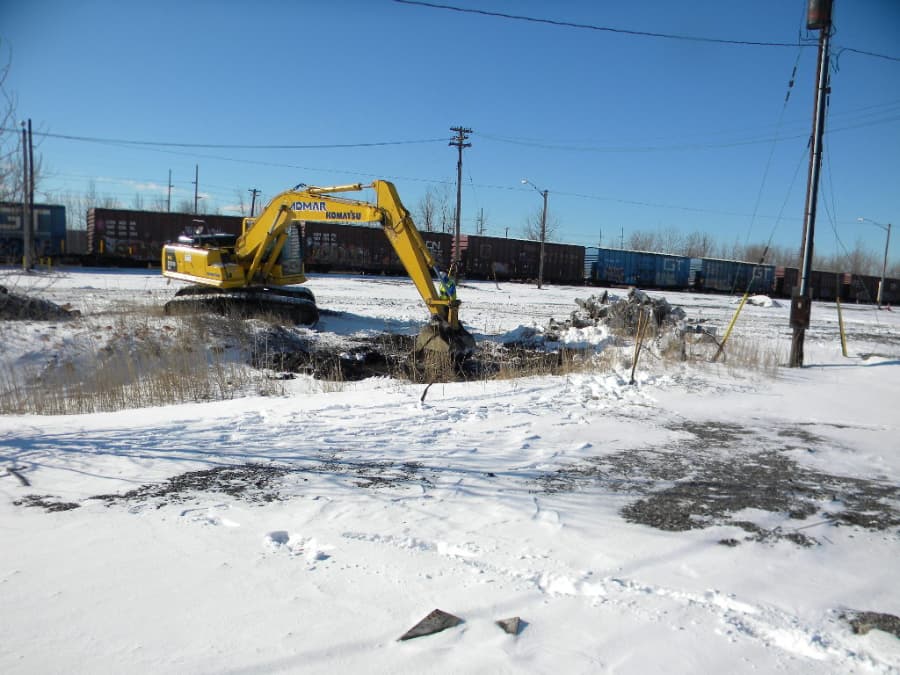
These same hazards can make accessing spills difficult, giving toxic chemicals more time to spread before they can be contained. As a result, winter spills are often more severe than summer ones, requiring more aggressive methods to contain and clean them up.
Prevention Steps That Reduce Winter Releases
Because winter increases spill risk, it requires extra preparation. Do not assume that your warm-weather preventive measures are enough to avoid a serious spill during a cold snap. Instead, update your equipment and protocols to ensure that your facility is ready to handle freezing weather and snow. Here are some prevention steps that can reduce the risk of a winter spill:
Pre-Season Inspections and Maintenance
Before temperatures drop and the winter storms set in, conduct a thorough inspection of all equipment and tanks. Repair any minor damage you find, including brittle gaskets, loose connections, and corrosion. Pre-season maintenance ensures that your equipment is prepared to handle a freeze.
Insulation and Heat Tracing
Prevent brittle pipes and frozen contents by installing additional insulation. You may also consider heat tracing, which uses heating cables to warm the outer surfaces of pipes. An improved heat tracing system will keep pipes from cracking and maintain the correct viscosity of heavy oils or chemicals.
Containment and Drain Management
Drainage systems slow down during winter, when liquids are likely to freeze. Mitigate the slowdown by clearing debris and removing blockages to ensure that the drainage system is as clean as possible. Deicers may be used as necessary to prevent blockages.
Spill Kit Winterization
Finally, prepare your spill kit for winter. Spill kit contents may degrade or become less effective in freezing temperatures. Make sure yours is ready for winter by swapping out liquids for freeze-resistant alternatives, checking temperature limits on absorbents, and inspecting the integrity of your PPE. Sun Environmental Corp. offers spill kits in a variety of sizes based on your needs.
Winter Response Planning
Even when you take every precaution, a spill may still occur. When this happens, it’s important to have a plan so that your staff can mobilize quickly. Winter spill response plans cannot follow the same model as summer plans. Snow and ice may reduce access to the spill site, causing delays. Your winter response plan should account for this possibility.
Vendor Call Lists and Spill Agreements
First, have a list of emergency services to contact in case of a spill. When you have contact information readily available, you can notify emergency service providers promptly and give them a head start on arrival. A spill agreement is also useful. When you have already established a contract with an environmental service, they can respond more quickly to emergency situations.
Snow Removal Coordination
Even if you have a formal contract with an environmental service provider, its team still needs to access your site. Make sure you have plans to clear an access route quickly, if necessary, to address a chemical spill. This should include routine snow clearing as well as on-call services in case the road needs to be opened in a storm. The solution may involve on-site equipment, or it may involve another proactive agreement with a service provider.
Get More Guidance for Spill Prevention in Winter
A knowledgeable consultant can help you prepare for winter spills with personalized guidance and hand-crafted response plans. Sun Environmental Corp. has locations in Syracuse, Rochester, Albany, Buffalo, and Philadelphia, serving Upstate NY and the Greater Philadelphia Area with environmental consulting, remediation, and emergency response. Contact us today to learn more about our services or to schedule a consultation for spill prevention in winter from a local business you can trust. With us it’s not just business, it’s personal.
FAQs About Winter Spill Prevention
What winter conditions most often cause spills?
Spills can be caused by a variety of winter conditions. Freeze-thaw cycles cause liquids to expand and contract, resulting in accumulated damage that may cause storage containers and pipes to rupture. Snow and ice can block drainage systems, while accumulated snow loads can place additional stress on a facility’s roof. Icy roads can also increase the risk of vehicle crashes that spill fuel.
What are the warning signs of impending equipment failure during the winter?
Frozen components, brittle materials, and viscous fuel create extra stress on industrial equipment, increasing the likelihood of a breakdown. Pay attention to the following warning signs whenever you operate heavy equipment in cold weather:
- Delayed or sluggish operation
- Unusual sounds and vibrations
- Dim lights and slow cranking
- Low battery voltage
- Burning or metallic odors
If you notice any of the above indicators, turn off the machine and stop stressing it. By detecting a problem early, you can prevent total failure and more expensive repairs.
How should spill kits be winterized?
Many items in a standard spill kit, including liquids and absorbents, are designed to work in above-freezing temperatures. They may freeze or become less effective in the cold. Check the temperature limits on all items in your spill kit. You should also examine personal protective equipment (PPE), especially nitrile gloves and rubber items, to make sure they have not turned brittle in the cold.
What response adjustments are needed when access and timelines are constrained?
Hazardous spill responses can be limited in winter, when heavy snow and icy roads may limit access to the site. Response plans should be adjusted to emphasize on-site containment. Focus on controlling access, ventilating if the chemical is volatile, and containing or absorbing the spill to keep it from spreading until professionals can arrive.