Lead Abatement for Older Facilities: When It’s Required and How Projects Stay Safe
Older facilities come with a variety of renovation challenges, including outdated construction codes and deteriorating materials. They may also come with lead paint. Because lead is toxic, buildings that contain it require thorough abatement before they are safe to renovate. Sun Environmental Corp. discusses when lead abatement is required and how we keep our projects safe for our crews and your personnel.
Key Takeaways
- Lead paint is common in facilities constructed before 1978, presenting a serious health hazard to employees, customers, and residents.
- Lead abatement is required before any significant demolition or renovation project that would disturb materials that contain lead.
- Sun Environmental Corp. keeps personnel safe during lead abatement with HEPA air controls, PPE, decontamination, cleaning verifications, and safe waste handling.
- With locations near you in Syracuse, Rochester, Albany, Buffalo, and Philadelphia, we serve all of Upstate NY and the Greater Philadelphia Area.
Why Is Lead Abatement Important?
Lead paint is common in old buildings, especially those constructed before the 1980s. By adding lead, paint manufacturers could create products that dried faster, lasted longer, and had bolder colors. When the danger of lead exposure became known, these paints were prohibited. However, many old facilities may still have lead paint, especially if they haven’t been renovated since the prohibition.
Lead paint is relatively safe while it is clean and stable. Over time, however, old paint starts to peel, chip, or break down into dust. Any amount of rubbing or friction may create dust. The dust gets on hands, contaminates water, or becomes airborne to be consumed or inhaled. The toxic metal builds up in the body and causes permanent damage to the brain, central nervous system, and vital organs. Aging lead paint is a serious health hazard to employees, residents, and customers, requiring removal to keep people safe.
Identifying Lead Hazards in Older Commercial Buildings
Effective lead abatement starts with knowledge of where lead is found. While lead paint starts on walls and windowsills, lead dust can spread quickly to new areas. If you are responsible for a facility that could have lead present, hire a professional inspector to check the following areas for lead hazards:
- Paint: Lead is very commonly found in the paint used on older buildings. If the paint is scraped or sanded, it may create toxic dust that can be inhaled.
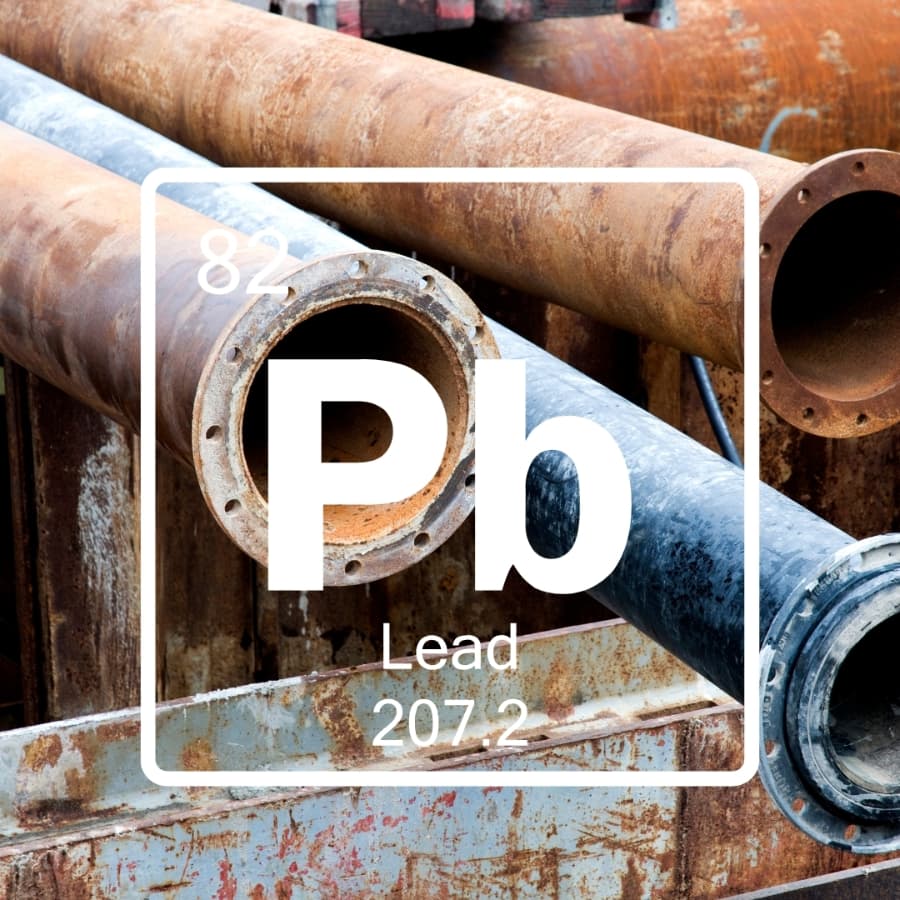
- Plumbing: Plumbing systems often have lead-based pipes or fixtures, which can taint drinking water as it passes through the system.
- Air quality: Lead dust can accumulate, especially in high-traffic areas where lead paint and surfaces have worn down.
- Soil: Rainwater can transport lead particles from exterior paint into the soil. Test the soil around your property, especially at the base of building walls.
Keep detailed documentation of everywhere lead is found. This documentation will guide your abatement project, and it provides a baseline that will help you prove afterward that the risk has been adequately mitigated.
When Is Lead Abatement Required?
While the presence of lead is concerning, it does not always require immediate action. Proactive removal is required if a worker’s exposure to lead exceeds the Permissible Exposure Limit (PEL) of 50 micrograms per cubic meter averaged over an 8-hour period, which would require employers to implement applicable controls and protections when workers are exposed to lead. In buildings with less exposure, abatement may wait until new renovations make it necessary. Abatement should occur before any renovation activities that would disturb materials that contain lead, including:
- Complete or partial demolition of structures where lead is present
- Partial reconstruction or gutting of structures that contain lead
- Ceiling, flooring, or roofing replacements in structures with lead
- Cutting or sawing into walls that contain lead
- Sanding or scraping surfaces painted with lead
- New construction on lead-contaminated soil
These rules are especially strict for buildings with child occupancy, including apartments, childcare facilities, daycare centers, and schools. For these structures, the EPA Lead Renovation, Repair, and Painting (RRP) program may apply. A lead-dust hazard is defined as any reportable level identified by wipe samples, and it requires complete removal by an EPA-certified team.
How Do We Keep Lead Abatement Projects Safe?
While lead abatement is necessary to make buildings safe for renovation, abatement itself can be dangerous if not performed correctly. Unsafe practices create airborne lead particles that may be inhaled. Sun Environmental Corp. is an EPA- and OSHA-certified consulting company and contractor. We apply rigorous safety practices to keep lead particles contained:
HEPA Controls
Air quality is one of the biggest concerns during lead abatement. Crews can suffer serious health consequences from inhaling airborne dust, so we must keep the air clean. We use robust ventilation and dust collection equipment with HEPA filters, helping us remove harmful materials from the air.
PPE
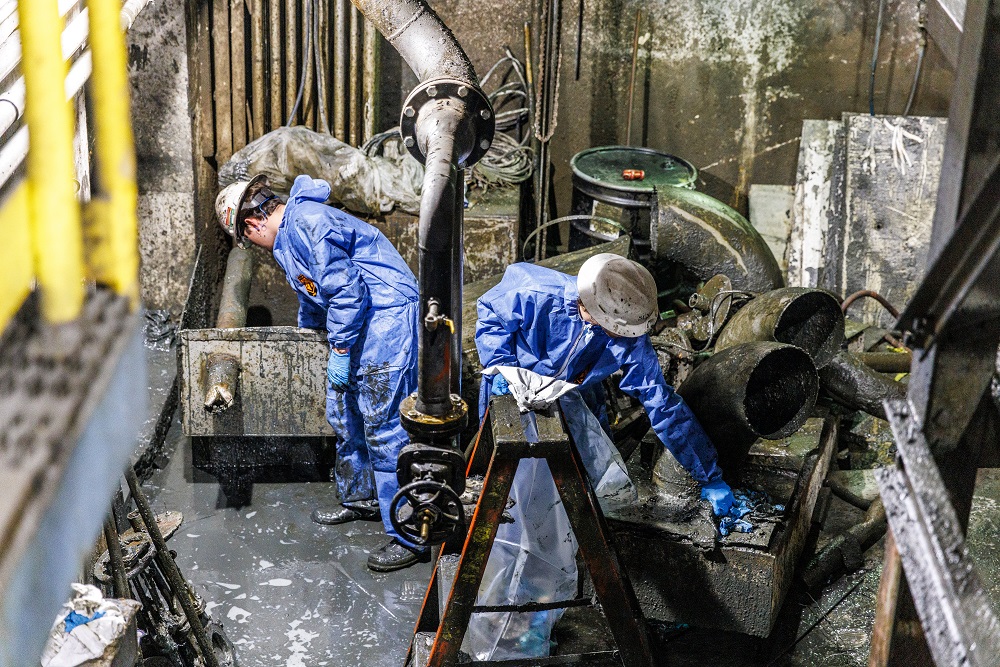
Crews are prepared with the appropriate personal protective equipment (PPE) to prevent inhalation and contamination. Tyvek suits ensure that no lead particles attach to and travel on workers’ skin or clothes. Respirators with HEPA filters let workers perform abatement without breathing in lead.
Decontamination
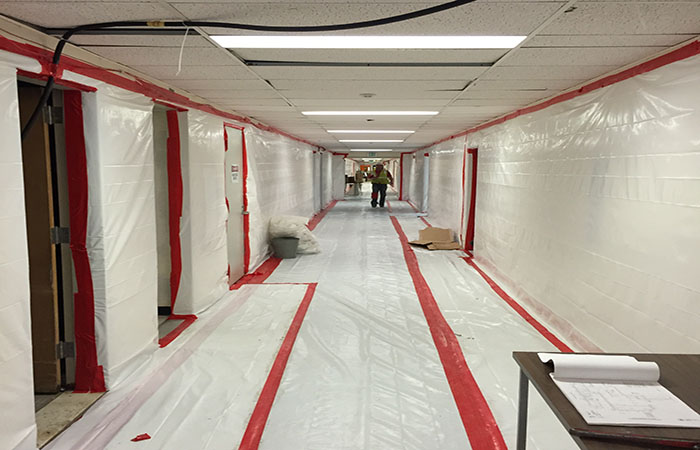
Job sites are contained using plastic isolation barriers to keep lead from leaving the area. Whenever one of our abatement workers leaves the site, they go through rigorous decontamination. We set up sanitation stations to remove paint dust and chips from employee clothing before passing the barrier.
Clearance Testing
After completing a lead abatement project, we perform thorough verifications and tests to ensure that the lead is completely removed. Wipe tests and air quality tests provide peace of mind that your facility is restored to safe lead levels, and they provide documented proof that the job was done correctly.
Waste Handling
After removal, paint and dust that contain a high percentage of lead are still dangerous. We seal the hazardous waste for safe transportation to a municipal landfill or incinerator for eco-friendly waste-to-energy solutions. We also provide thorough documentation of waste handling.
Learn More about Lead Abatement Near You in Upstate NY
If your older facility has lead paint or plumbing, prompt abatement can make it safe for employees and customers. Sun Environmental Corp. is committed to meeting OSHA and EPA requirements for safe and effective lead abatement. Find us at locations near you in Syracuse, Rochester, Albany, Buffalo, and Philadelphia, serving Upstate NY and the Greater Philadelphia Area. Contact us today to learn more about our safety practices or to schedule a consultation for your lead abatement project. With us, it’s not just business, it’s personal.
FAQs About Lead Abatement
Where are lead hazards most likely to be in older facilities?
Lead hazards can appear in a variety of locations in old facilities. Indoors, they are most common in paint, dust, and high-friction surfaces. On the exterior of your building, check the soil, especially along major contamination pathways.
What renovation activities can increase your risk from lead hazards?
Any renovation activities that disturb old painted surfaces can increase lead risk by creating toxic dust or chips. This includes demolition, drilling or cutting through painted surfaces, dry sanding and scraping, and power washing. Extreme heat, such as from a heat gun or open-flame burning, also creates severe airborne hazards by vaporizing the lead.
What PPE is required for lead abatement?
Personnel who will go into abatement areas during cleanup should wear respirators, disposable coveralls, and eye protection, as well as all PPE that is normally required for a construction or demolition site. These protective measures prevent inhalation of lead particles while keeping them from sticking to skin and regular clothing.
Can I do lead abatement with my standard equipment?
No, you cannot safely perform lead abatement using standard equipment. Shop vacuums are prohibited for use with lead abatement. Crews must use HEPA vacuums to ensure safe cleanup. This is why it’s important to work with a team of professionals rather than attempting lead abatement yourself.