Hazardous Waste Transportation: Documentation, Transportation Preparation
When moving hazardous materials from one location to another, each shipment must be properly documented, packaged, labeled, and tracked to help protect people, the environment, and your business. Missing paperwork or incorrect information can create compliance issues or result in delays or rejected shipments.
At Sun Environmental Corp., we help commercial and industrial facilities in Upstate NY and the greater Philadelphia region manage hazardous waste safely and compliantly. Here, we explain the hazardous waste transportation requirements, including documentation and chain of custody, and the best practices that keep shipments moving without delay.
Key Takeaways
- Proper documentation is required by law and protects your business from liability if something goes wrong during transport or disposal.
- Proper documentation records show who had the waste, when, and in what condition.
- Required documents include waste manifests, profiles, land disposal restriction (LDR) notifications, and certificates of disposal.
- Sun Environmental Corp. is a certified hazardous waste transport provider and can help simplify the process and reduce compliance risks.
Why Is Documentation Important in Hazardous Waste Transportation?
Before hazardous waste can leave your facility, the paperwork needs to be accurate. Proper documentation helps ensure that the waste is transported correctly and accepted by an accredited facility. It also demonstrates compliance with federal and state regulations while reducing liability for everyone involved.
Under federal regulations, generators are responsible for their hazardous waste from the moment it’s produced generated until it’s disposed of. This is sometimes referred to as cradle-to-grave liability, and documentation is how you demonstrate compliance at each step along the way.
Documentation helps create a clear chain of custody. From the time the waste is picked up until it reaches its destination, each transfer is recorded to show who handled the shipment and when. If questions come up during transportation or after disposal, those records help verify that the waste was managed properly every step of the way.
Even small paperwork mistakes can create big problems, which could delay a shipment or cause a treatment, storage, or disposal facility to reject the load. Receiving facilities have their own compliance requirements, and they will turn away any load that arrives with incomplete, incorrect, or mismatched documentation.
When that happens, the waste comes back to you, and you must pay for transport again. Taking a few extra minutes to review documentation before pickup can help keep your project on schedule, avoid unnecessary compliance issues, and prevent added or unplanned costs.
What Documents Do I Need?
The specific documents you need vary depending on your waste type, the states involved in the shipment, and the receiving facility. Most hazardous waste shipments need the following:
Waste Profiles and Facility Approvals
Before any waste can be shipped, the receiving facility needs to know what it’s accepting. A waste material profile describes the physical and chemical characteristics of the waste, how it was generated, and any special handling requirements. The facility uses this information to decide whether the waste is acceptable and what to do with it how to properly treat it. Sun Environmental Corp. can help you develop accurate waste profiles and work through the approval process with receiving facilities, so your shipments arrive ready to be accepted.
Hazardous Waste Manifests and LDR Notifications
The manifest is the primary tracking document for hazardous waste. It travels with the containers from the generator through each transporter to the destination, and every party along the way signs it at each handoff. Generators are required to keep a copy and must receive a signed copy back from the disposal facility confirming delivery. If that copy doesn’t come back within the required timeline, you need to file an exception report.
Most shipments also require a land disposal restriction (LDR) notification. This document indicates whether the waste meets Environmental Protection Agency (EPA) treatment standards for land disposal or needs additional treatment first. It goes with the manifest and must be kept on file at both the generator and receiving facility.
Labels, Placards, and Packaging
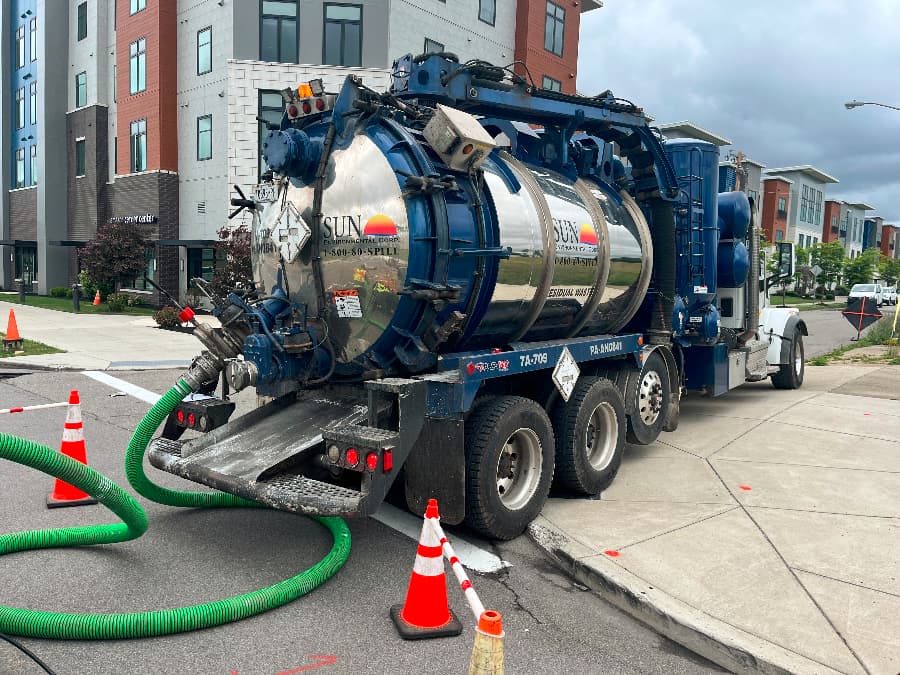
Hazardous waste containers must be labeled with the words “Hazardous Waste,” the applicable waste codes, and the date the container was first filled, per EPA requirements. Additionally, vehicles transporting hazardous materials are also required to display Department of Transportation (DOT) placards for the hazard class being shipped, and packaging must meet DOT standards for the type of waste inside.
Bills of Lading vs. Manifests
These two documents are often a source of confusion. A bill of lading (BOL) is a standard shipping document used for non-hazardous freight. A hazardous waste manifest is a regulatory document required for hazardous waste shipments. Some loads may include both if the transporter is also carrying other freight.
A Step-by-Step Guide to Proper Shipping Documentation
Documentation starts at pickup and doesn’t end until you have documentation confirming the waste was received and disposed of properly.
Pickup Verification and Signatures
When the transporter arrives, they both the generator and transporter should verify that the containers match the manifest, including waste codes, container types, and quantities. Any discrepancy needs to be noted and addressed before they load the waste the waste is loaded on the transport vehicle. Both the generator and the transporter sign the manifest and make sure everything is accurate. When Sun Environmental Corp. handles your waste removal, our team takes care of this verification at pickup.
Certificates of Disposal and Closeout Records
Once the waste is received and processed, depending on generator requirements and waste type, the disposal facility will issue a certificate of disposal confirming it was handled in accordance with state and federal regulations. You must keep this in your compliance file along with the original manifest and LDR paperwork. Sun Environmental Corp. provides clients with copies of all relevant transportation documentation, including certificates of disposal, so your records are always complete.
Common Mistakes That Trigger Delays and Citations
Many documentation problems are avoidable. These are the issues that come up most often with hazardous waste shipments:
- Incorrect waste codes or descriptions: If the code on the manifest doesn’t match what arrives at the facility, the load will be turned away, or you could be charged additional costs for processing.
- Packaging and labeling mismatches: Containers that are labeled incorrectly, improperly sealed, or don’t meet DOT packaging requirements will be flagged or rejected.
- Missing IDs, dates, or signatures: An unsigned manifest, missing EPA ID number, or a blank pickup date can hold up a shipment or trigger a violation notice during an inspection.
- Failing to update waste profiles: If your operations change in any way, you need to update your profiles before the next shipment leaves. Sending waste under an outdated or non-conforming profile is a compliance violation.
If you’re unsure whether your profile is accurate, Sun Environmental Corp.’s consulting team can help you review it before your next pickup.
Keep Your Hazardous Waste Shipments Moving
If you need help with hazardous waste disposal, removal, transportation, documentation, or compliance, Sun Environmental Corp. is ready to help. With convenient locations near you in Syracuse, Rochester, Albany, Buffalo, and Philadelphia, we are proud to serve many areas across Upstate New York, including Central, Western, North Country, the Southern Tier and Capital Region, and in Pennsylvania, we cover the greater Philadelphia region, including parts of New Jersey. Our team makes sure your waste is handled safely, documented correctly, and disposed of properly. Contact us today to learn more about our hazardous waste transportation services. With us, it’s not just business, it’s personal.
Frequently Asked Questions About Hazardous Waste Transportation
What is a hazardous waste manifest?
A Uniform Hazardous Waste Manifest is a shipping document used to track hazardous waste from the point of generation to the treatment, storage, or disposal facility. It helps document each transfer and provides a record that the waste was transported and managed properly.
What is a chain of custody for hazardous waste?
A chain of custody is the documented record of who handled a hazardous waste shipment from pickup through disposal. It helps demonstrate accountability, supports regulatory compliance, and provides a clear history of the shipment if questions arise.
What happens if hazardous waste paperwork is incomplete?
Incomplete or inaccurate documentation can delay a shipment, lead to rejected loads, or result in compliance issues. Before hazardous waste leaves your facility, verify that waste profiles, manifests, labels, and any required supporting documents are complete and accurate.
What is an LDR notification?
A land disposal restriction (LDR) is a document that must accompany most hazardous waste shipments. It indicates whether the waste meets EPA treatment standards for land disposal and must be kept on file at both the generator and the receiving facility.