Above-Ground vs. Underground Storage Tanks: Maintenance Risks and Best Practices
Storage tanks keep industrial facilities running and serve as the backbone of many operations. Routine maintenance helps protect your equipment, supports regulatory compliance, and reduces the risks of leaks and spills, which can lead to downtime.
At Sun Environmental Corp., we help commercial and industrial facilities throughout Upstate New York and the Greater Philadelphia region maintain storage tank systems, whether your facility stores fuel, chemicals, wastewater, or other regulated materials. Here, we look at above-ground vs underground storage tanks, discuss common maintenance concerns, and share practical ways to help prevent problems before they occur.
Key Takeaways
- Above-ground storage tanks are easier to inspect but are more exposed to weather and physical damage. Underground storage tanks are more protected but require specialized equipment to monitor.
- Most tank failures develop slowly from corrosion, coating degradation, piping problems, or missed maintenance.
- Preventive maintenance, regular inspections, and secondary containment are the most effective tools for avoiding spills and regulatory violations.
- Sun Environmental Corp. provides tank cleaning, industrial maintenance, inspections, spill response, and remediation services throughout Upstate New York and the Greater Philadelphia region.
Above-Ground vs. Underground Storage Tanks: What’s the Difference?
Both above-ground and underground storage tanks safely store fuels, chemicals, wastewater, and other materials until they’re needed or removed. The biggest difference is where they’re located, and that directly impacts how they’re maintained.
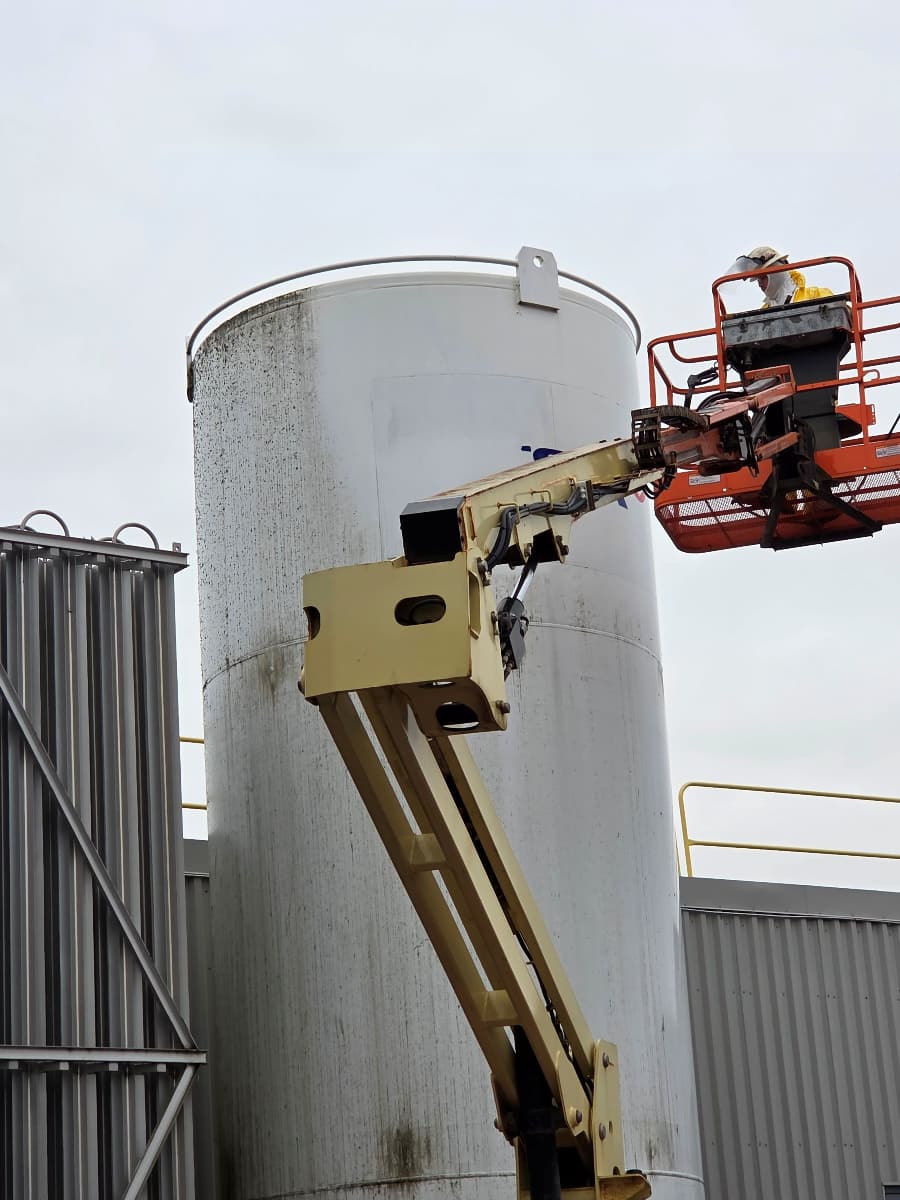
Because above-ground storage tanks (ASTs) are fully accessible, they’re easier to inspect. You can often identify corrosion, damaged coatings, leaks, or worn components during routine inspections, making it easier to address and fix small issues before they become larger repairs. However, ASTs are exposed to weather and temperature changes that can accelerate wear over time.
Underground storage tanks (USTs) require a different approach. Since most of the system is hidden below ground, you can’t always see early signs of corrosion or leaks. That’s why many USTs rely more heavily on leak detection systems, monitoring equipment, and periodic testing to verify the tank and piping are working as intended.
The potential environmental impact of an undetected underground leak is also why USTs are subject to stricter regulatory requirements by the Environmental Protection Agency (EPA). You may not discover a chemical leak until it has affected surrounding soil or groundwater. This makes prevention and early detection critical.
Whether your facility operates above-ground or underground storage tanks, understanding how to maintain each system can help you identify potential problems early. While the risks may look different, many of the most common maintenance problems are preventable with the right inspection and maintenance program.
Where Storage Tanks Commonly Fail
Whether a storage tank is above ground or below, small maintenance issues can become expensive repairs if you don’t address them promptly. There are several problems you should regularly inspect for:
- Corrosion: This is one of the leading causes of storage tank failures. Weather and moisture can wear down protective coatings on ASTs over time, while groundwater can corrode USTs, making routine testing and monitoring essential.
- Piping, valves, and fittings: Aging piping, worn valves, and damaged fittings can all contribute to leaks, even if the tank itself is in good condition.
- Overfills and equipment failures: Malfunctioning alarms, overfill prevention equipment, or operator error during product transfers can result in preventable spills.
- Water intrusion and contamination: Water entering a tank through damaged seals, fittings, or condensation can affect product quality, accelerate corrosion, and reduce the system’s performance.
The good news is that many of these issues develop slowly. With routine inspections, preventive maintenance, and professional tank cleaning, facilities can identify problems early and reduce the risks of leaks and spills, which can lead to unplanned downtime.
Preventing Leaks Starts with Preventive Maintenance
A proactive maintenance plan helps keep your storage tanks in working order. While every facility has different requirements, there are a few best practices you can implement to keep both ASTs and USTs working safely.
- Do routine inspections: Regular visual inspections and integrity testing help identify corrosion, damaged coatings, worn components, or other signs of deterioration.
- Maintain secondary containment: Inspect containment areas on ASTs for cracks, standing liquids, or damage that could affect their ability to contain a spill.
- Test monitoring and overfill protection equipment: Leak detection systems, alarms, gauges, and overfill prevention devices should be inspected and tested regularly.
- Keep accurate maintenance records: Documenting inspections, repairs, testing, and maintenance activities helps support compliance, track recurring issues, and plan future maintenance.
- Train employees and prepare for spills: Employees should understand how to use your equipment safely, how to respond to a spill, and have access to spill kits.
Preventive maintenance also includes knowing when to bring in outside support. Services like professional tank cleaning, inspections, and environmental response can help facilities address issues before they lead to equipment failures or regulatory concerns.
At Sun Environmental Corp., we work with commercial and industrial facilities to support preventive maintenance through tank services, spill response, and remediation. Whether you maintain an AST or UST, our team can help you keep your storage tank system operating safely and efficiently.
Protect Your Storage Tank with Sun Environmental Corp.
Preventive maintenance is one of the most effective ways to reduce the risk of leaks and spills. But when routine inspections uncover sludge buildup, contamination, equipment issues, or signs of a leak, you need to act quickly.
Sun Environmental Corp. helps industrial and commercial facilities keep all types of storage tank systems running with industrial tank cleaning, vacuum truck services, hazardous and non-hazardous waste transportation, 24/7 emergency spill response, and environmental remediation. With convenient locations near you in Syracuse, Rochester, Albany, Buffalo, and Philadelphia, we are proud to serve many areas across Upstate New York, including Central, Western, North Country, the Southern Tier and Capital Region, and in Pennsylvania, covering the greater Philadelphia region and parts of New Jersey.
Whether you’re planning routine maintenance, preparing a tank for inspection, or responding to an emergency, our team has the equipment and expertise to get the job done right while minimizing your downtime. Contact us today to learn how we can help protect your operations and the environment. With us, it’s not just business, it’s personal.
Frequently Asked Questions About Above-Ground vs. Underground Storage Tanks
Which is easier to maintain: an above-ground or underground storage tank?
Above-ground storage tanks are generally easier to maintain because the tank, piping, and other equipment are more accessible for routine inspections and repairs. Underground storage tanks require additional monitoring and leak detection since much of the system is below the surface.
How often should storage tanks be inspected?
Above-ground tanks need monthly visual inspections and annual inspections by a qualified professional. Underground tanks need continuous or periodic leak detection monitoring and scheduled testing under EPA and state requirements. However, specific requirements vary by state, tank size, and contents. At Sun Environmental Corp., our consultants can help you create a maintenance plan, so you stay compliant.
When should a storage tank be professionally cleaned?
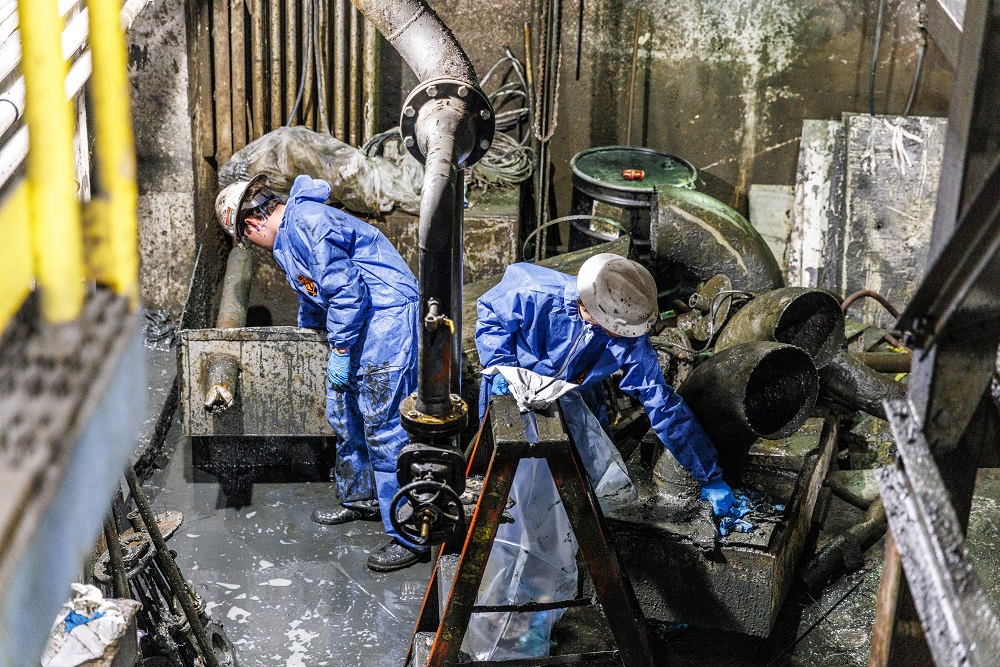
We recommend professional tank cleaning when sludge, sediment, or other material begins to build up, before internal inspections or maintenance, or when a tank is being taken out of service. Regular cleaning can also improve your system’s performance and provide better access for inspections.
What are the warning signs of a storage tank problem?
Common signs include odors near vent pipes or fill openings, discolored or saturated soil around the tank area, failed tightness tests, and changes in nearby groundwater quality. If you notice any of these signs, contact our team right away. We’ll come out, inspect your tank and the surrounding area, and handle remediation and spill cleanup.